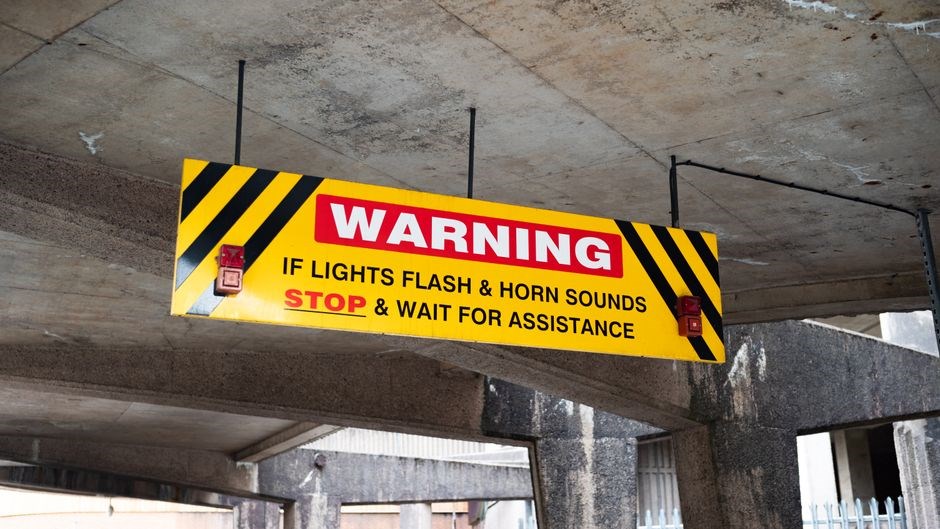
Official Traffic-Control Devices
All motorists must comply with official traffic‑control devices—traffic lights, stop signs, and other signals—when they appear on the road. These devices are legally binding unless a traffic or police officer directs otherwise, ensuring consistent road safety.
Compliance keeps traffic moving safely.!!

Traffic Lights and Stop Signs
According to the 2025 New York Vehicle and Traffic regulations, specifically Title 7, Article 24, Section 1110, every driver is legally bound to obey the directives of any official traffic‑control device that applies to them. This includes the standard traffic lights and stop signs that are installed at intersections, pedestrian crossings, and other critical points on the roadway. The law explicitly states that a driver must comply with the signals—red, yellow, green, and yield—unless a traffic or police officer provides a different instruction. Failure to obey these signals can result in penalties ranging from fines to license suspension, depending on the severity of the violation and the jurisdiction’s enforcement policies. The purpose of this regulation is to maintain orderly flow and safety on public roads, preventing accidents that could arise from conflicting or ignored traffic signals. Drivers should always pay close attention to the color and position of the traffic lights and the presence of stop signs, as these devices are designed to coordinate vehicle movements and protect pedestrians. In addition, the law requires that drivers yield to pedestrians at crosswalks when a stop sign or red light is present, ensuring that pedestrian safety takes precedence over vehicle movement. By adhering to these rules, drivers contribute to a safer driving environment for everyone on the road. In compliance with traffic lights and stop signs reduces collision risk by up to 30 percent, as shown by traffic safety studies, and ensures that drivers can anticipate the actions of other road users, fostering a culture of respect accountability on roadways!

Police and Traffic Officers
Drivers must obey any instruction from a police or traffic officer, even if it conflicts with standard traffic‑control devices. This authority supersedes all other signals unless the officer explicitly directs otherwise, ensuring compliance with law and safety. Follow. Stay.

Directives from Police Officers
When a police or traffic officer issues a directive, drivers must immediately comply, even if it conflicts with existing traffic‑control devices. This authority is rooted in Title 7, Article 24 of the 2025 New York Vehicle and Traffic laws, which state that every person shall obey the instructions of any official traffic‑control device unless otherwise directed by a traffic or police officer. The officer’s command takes precedence over signals, signs, or markings, ensuring that emergency situations, accident scenes, or traffic arrangements are handled safely. Drivers are required to follow the officer’s instructions without hesitation, and failure to do so can result in penalties such as fines, points on the driver’s record, or even license suspension. Officers may direct drivers to stop, proceed, change lanes, or yield, and they can also enforce temporary detours or road closures. In practice, this means that a driver approaching a red light may be instructed by an officer to proceed if the light is malfunctioning or if an emergency vehicle is approaching. Similarly, a police officer can command a driver to pull over for a roadside inspection or to allow a police vehicle to pass. The legal framework emphasizes that the officer’s directive is binding, and drivers must not argue or attempt to override the instruction. Compliance is essential for maintaining public safety and ensuring that traffic flow is managed effectively during incidents or events. The authority granted to police and traffic officers is designed to provide flexibility in dynamic road conditions, allowing for emergencies, accidents, and other unforeseen circumstances. By obeying these directives, drivers contribute to a safer driving environment for all road users.

Additionally, officers may issue verbal or written instructions, such as a written directive to stay in a lane, or a verbal cue to yield to a school bus. In many jurisdictions, the officer’s authority is supported by statutes that allow them to override any traffic control device for the safety of the public. Drivers should also be aware that failing to comply can lead to immediate arrest or a traffic stop. Therefore, it is crucial for drivers to listen attentively to any police or traffic officer on duty and to follow their instructions promptly, regardless of the presence of traffic lights or other signs. This practice not only ensures legal compliance but also promotes overall road safety by allowing law enforcement to manage traffic flow during emergencies, construction, or special events. and ensure safety for all today.
Remember, the officer’s directive is enforceable under the law; non‑compliance can result in immediate legal consequences. Always obey.
Emergency Vehicle Preemption
Drivers are required to obey instructions from emergency vehicles—police, fire, ambulance, and other authorized units—when these vehicles activate preemption devices or signal their presence. The law mandates that motorists yield promptly, allowing the emergency vehicle to pass without delay. This includes stopping, pulling over to the right, or moving to the nearest safe lane, depending on road conditions. Failure to comply can result in penalties, including fines, points on a driver’s license, or even criminal charges if the non‑compliance endangers others. Emergency vehicle preemption is governed by statutes that give priority to these vehicles, overriding traffic signals, stop signs, and other official devices. Drivers should be vigilant for flashing lights, sirens, or a driver’s sign indicating a preemption request. The preemption system is designed to reduce response times for emergency services, ensuring that medical, fire, and law‑enforcement personnel can reach incidents swiftly. In practice, a driver approaching a traffic light may be required to proceed even if the light is red, if an emergency vehicle is approaching. Similarly, a driver may be instructed to move to the curb or to the left lane to create a clear path. The legal framework emphasizes that the driver’s obligation is absolute; no argument or hesitation is permitted. By obeying emergency vehicle preemption, drivers contribute to public safety and help save lives. Additionally, statutes specify that the driver must not drive into the path of an emergency vehicle, keep hands on wheel, maintain control while yielding. Drivers must keep at least one vehicle length between them!!
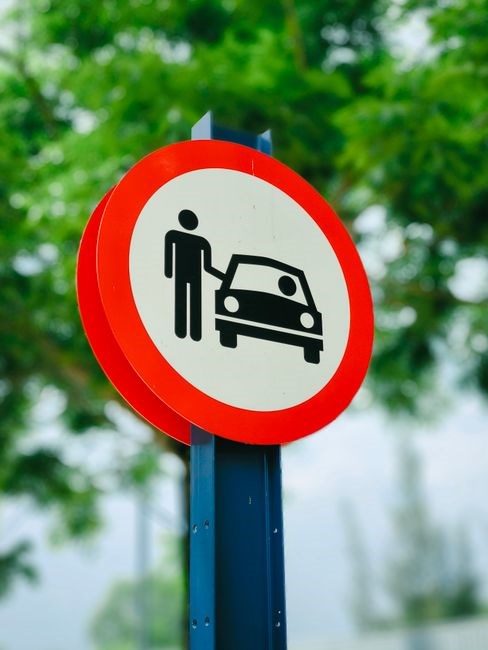
Construction Site Flaggers
Drivers must obey flaggers at construction sites. Flaggers direct traffic, signal lane closures. Their signals are legally binding; failure to comply can lead to fines or liability. Always yield, follow hand signals, and respect all instructions to avoid accidents. immediately.!!!?
Flagger Signaling
At any construction zone, flaggers are the primary authority for traffic control. Their hand signals, arm movements, and use of reflective vests convey lane closures, detours, and safe speeds. Drivers must yield to a flagger’s instructions, even if the flagger is not wearing a uniform or if the signal is brief. The law mandates that all motorists obey flagger directives, as these signals are legally binding and designed to prevent accidents. Failure to comply can result in citations, fines, or liability for damages. Flaggers are trained to assess traffic flow, road conditions, and potential hazards. They coordinate with site supervisors and local law enforcement to ensure that their signals are clear and consistent. When a flagger raises a red arm, drivers must stop; a green arm means proceed with caution. A yellow arm indicates a temporary stop or a change in lane usage. Flaggers also use cones, barricades, and signage to reinforce their signals. In many jurisdictions, the presence of a flagger overrides standard traffic signs, meaning that a stop sign or a yield sign can be temporarily suspended. Drivers should not assume that a flagger’s signal is optional; it is a legal requirement. Additionally, flaggers may instruct drivers to reduce speed to a specified limit, such as 15 mph, to allow workers to safely cross. They may also direct traffic to alternate routes, especially when a lane is closed for excavation. In emergency situations, a flagger may signal a temporary detour to avoid a hazardous area. The legal framework surrounding flagger signaling is rooted in state statutes that define the authority of flaggers and the obligations of drivers. For instance, the California Vehicle Code Section 22310 requires drivers to obey flagger instructions. Similar provisions exist in New York, Texas, and other states. These laws are enforced by traffic officers and can be cited if a driver disobeys. In summary, flagger signaling is a critical component of construction site safety, and motorists must always comply with the instructions given by a flagger to protect themselves, workers, and the public.
Remember, a flagger’s signal is a legal command; obeying it protects everyone.

Security Guards in Parking Lots
Drivers must yield to security guards patrolling parking lots. Their directives—such as stop, turn, or speed limits—are legally binding. Ignoring a guard’s instruction can lead to citations, fines, or liability for accidents. Compliance ensures safety for all. All drivers.
Parking Lot Safety Protocols
Drivers must obey all instructions issued by security personnel, other drivers, and any official traffic‑control devices present within a parking facility. Security guards stationed in parking lots are authorized to direct vehicle flow, enforce speed limits, and instruct vehicles to stop, turn, or yield to pedestrians. Their directives are legally binding; failure to comply can result in citations, fines, or liability for any resulting incident. In addition, drivers must respect the commands of other motorists who may be navigating the lot, especially when they are maneuvering in tight spaces or when a vehicle is backing out. The presence of other drivers’ signals—such as hand gestures or vehicle lights—must be interpreted as a request for safe passage, and drivers should respond accordingly to avoid collisions. Official traffic‑control devices such as stop signs, yield signs, and directional arrows are also installed in many parking structures to regulate traffic flow. These devices are enforceable under state and local statutes; drivers are required to obey them unless a traffic or police officer provides alternative instructions. Parking lot safety protocols also mandate that drivers maintain a safe speed, keep a safe distance from other vehicles, and remain vigilant for pedestrians, cyclists, and delivery vehicles. When a guard or another driver signals to stop or change lanes, the driver must immediately comply. Drivers must obey. !! Therefore, drivers should always give priority to the instructions of security guards, other drivers, and official traffic‑control devices in parking lots.

Crossing Guards
Drivers must obey all instructions from school crossing guards. When a guard signals to stop or yield, vehicles must comply immediately. Failure to follow can lead to penalties and endangers students. Compliance ensures safe pedestrian crossings. All drivers must yield and stop. now!!!
School Crossing Guards
School crossing guards play a crucial role in ensuring the safety of students and pedestrians during school hours. They are trained professionals who monitor traffic flow, issue hand signals, and coordinate with local law enforcement to manage congestion. Their presence is legally mandated in many jurisdictions, and their signals are binding for all drivers. When a guard raises a hand or displays a stop sign, every vehicle must come to a complete stop, regardless of the surrounding traffic lights or road conditions. This requirement is enforced by statutes that give crossing guards authority over traffic signals in designated school zones. Drivers who fail to obey these signals can face fines, points on their license, and even civil liability if an accident occurs. In addition to stopping vehicles, guards often provide guidance to pedestrians, ensuring that children cross safely and that traffic is diverted appropriately. They also monitor for potential hazards such as speeding or distracted driving, and they can alert police if necessary. The certification process for crossing guards includes safety training, scenario drills, and a review of local regulations. This training ensures that guards understand the legal framework and can effectively communicate with drivers. Police officers may reinforce the guard’s orders, but the primary authority remains with the guard. Drivers must obey the guard’s signal even if a traffic light indicates otherwise. The presence of crossing guards has been shown to reduce accidents during school hours, improving overall community safety. Drivers should also be aware of the guard’s hand signals, which indicate whether it is safe to proceed or if they must wait. Failure to comply can result in fines, points, and potential criminal charges. Such compliance is essential for maintaining a safe environment for children and the broader public. xxxxxxxxxxxxxxxxxxxxxxxxxxxxxxxxxxxxxxxxxxxxxxxxxx
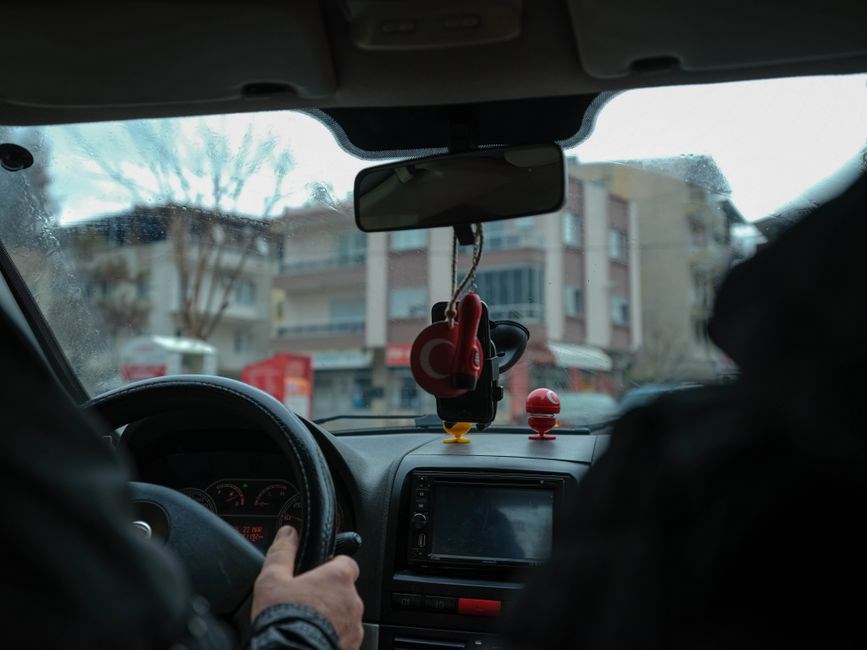
Other Drivers
In addition to official traffic‑control devices and personnel, motorists must also heed the lawful instructions issued by other drivers on road. When a preceding vehicle signals a lane change or a turn, the following driver is expected to respond appropriately, maintaining safe following distance and allowing the maneuver to occur without incident. Similarly, in situations where a driver is operating a large commercial vehicle, the driver may issue a hand signal to indicate a required maneuver, such as a left turn or a right turn; all other drivers in the convoy must comply to preserve the convoy’s integrity. When a driver is escorting a disabled vehicle or a hazardous material transport, the escort driver may instruct nearby motorists to yield or to maintain a safe distance; compliance is mandatory under state traffic statutes. Moreover, when a driver is part of a traffic‑control team during a temporary event, such as a parade or a road closure, the driver may issue temporary traffic‑control signals; all other drivers must obey these signals as if they were official traffic‑control devices. Failure to comply with another driver’s lawful instruction can result in citations, points on the driver’s license, or even criminal liability if the failure leads to an accident. Therefore, drivers must remain vigilant, observe the actions of other drivers, and respond in a manner that promotes safety and legal compliance on the road. By following the lawful directives of fellow motorists, drivers help create a that reduces confusion, prevents accidents, and upholds responsibility on all roadways.

Legal Exceptions and Nuances
Drivers must obey instructions from official traffic‑control devices, police officers, flaggers, security guards, and crossing guards. The law requires compliance with traffic lights, stop signs, and other signals unless a traffic or police officer orders otherwise. In New York, Title 7, Article 24, § 1110 mandates that drivers obey any official device unless directed by a police officer. California’s Vehicle Code similarly requires drivers to follow a school crossing guard, but allows deviation if the guard is acting unlawfully. Federal law permits a driver to ignore temporary traffic‑control signals issued by a non‑official driver if those signals conflict with an active, legally‑issued device. In practice, a driver may lawfully refuse a non‑official instruction that conflicts with a higher‑authority directive or is unsafe. However, the driver must demonstrate that the higher authority’s instruction was valid and that the conflicting instruction was unlawful or unsafe. Failure to do so can result in citations or liability for any resulting accident. Consequently, drivers must remain aware of the hierarchy of authority on the road, recognize the hierarchy of authority that applies in their jurisdiction, and exercise judgment when confronted with conflicting instructions. The enforcement of these rules is critical to maintaining public safety and order. Drivers must comply with traffic laws.