
Framed ink books in PDF format blend traditional ink artistry with digital convenience‚ allowing creators to preserve delicate hand‑drawn frames and lettering while ensuring wide accessibility. PDFs maintain color fidelity‚ scalable resolution‚ and embed fonts‚ making each ink page a digital treasure.
Definition and Scope of Framed Ink
Framed ink is a distinctive artistic practice that marries the tactile allure of hand‑drawn illustration with the precision of a defined border. In the realm of digital publishing‚ the term describes a collection of ink‑based images that have been carefully encased within a decorative frame before being encoded into a PDF file. The scope of framed ink extends beyond mere visual embellishment; it encompasses a dialogue between line‚ color‚ and negative space that guides the viewer’s eye toward focal points. Artists employ a spectrum of media—traditional fountain pens‚ watercolors‚ and contemporary digital brushes—to create layers that interact with the frame’s geometry; When these layers are flattened or preserved as interactive elements in the PDF‚ the resulting document retains both the fidelity of the original ink and the functional advantages of a vector‑based format. The practice also involves meticulous selection of ink hues that complement the frame’s texture‚ such as khaki or lavender mist‚ and the strategic use of transparency to achieve depth. Framed ink PDFs serve as a bridge between tactile craftsmanship and scalable digital distribution‚ allowing collectors‚ educators‚ and enthusiasts to experience the nuanced interplay of ink and border in a format that preserves color fidelity‚ resolution‚ and layout across devices. For collectors‚ the high‑resolution PDF format ensures that subtle gradations of ink and fine details of the frame are preserved‚ even when the file is viewed on high‑definition screens or printed on archival paper. This format also supports layer preservation for future edits!!
Historical Evolution of Ink Books
Ink books have evolved from hand‑written scrolls to sophisticated digital PDFs‚ each era adding new layers of meaning. The earliest ink manuscripts‚ produced in the 5th century‚ used quill pens on vellum‚ with simple borders that framed the text. By the Renaissance‚ artists such as Albrecht Dürer incorporated elaborate frames that highlighted illuminated manuscripts‚ setting a precedent for visual framing. In the 19th century‚ lithography and mass‑produced illustrated books used ink frames as a commercial tool to separate text from imagery. The 20th century saw offset printing‚ richer color inks‚ and complex frames that allowed designers to experiment with transparency and layering. The digital revolution of the 1990s introduced PDF as a universal format‚ preserving ink fidelity across platforms. Modern framed ink books combine with embedded fonts and color profiles‚ the delicate interplay between ink and frame remains intact on any device.
In contemporary practice‚ artists tablets to sketch ink frames‚ then export them as PDFs. The PDF format supports embedding of custom fonts‚ ensuring that unique lettering styles are preserved. Additionally‚ color profiles are embedded to maintain consistent hues across screens and prints. Many creators also layer multiple transparent inks‚ creating depth that mimics traditional glazing techniques. The result is a hybrid medium that honors the tactile heritage of ink while embracing the flexibility of distribution. Collectors appreciate blend tradition innovation!?

Technical Foundations of PDF for Ink Art
PDFs preserve ink fidelity by embedding fonts‚ color profiles‚ and vector data. Compatibility across versions ensures consistent rendering. Transparency layers allow artists to stack inks‚ while compression balances file size and quality. This foundation supports high‑resolution‚ shareable ink books. !…

PDF Version Compatibility
When creating framed ink books‚ selecting the correct PDF version is essential for preserving the subtle nuances of ink strokes‚ color depth‚ and layering. The current ISO standard‚ PDF 1.7‚ supports advanced color profiles‚ transparency‚ and font embedding‚ ensuring that gradients of khaki wash or lavender mist remain true across devices. Earlier versions such as PDF 1.4 lack full transparency support‚ flattening delicate layers and causing ink edges to appear jagged. For archival purposes‚ PDF/A‑1b locks the document’s visual appearance and prevents future software from altering the ink’s appearance‚ but it may restrict interactive features. A hybrid approach—embedding a PDF/A core with optional interactive layers—provides both preservation and flexibility. Compatibility with PDF readers on mobile‚ desktop‚ and web platforms is guaranteed from version 1.5 onward‚ yet the richest rendering of complex inks is achieved with 1.7‚ which also allows embedding of ICC profiles for accurate color reproduction. Artists should test their files on multiple readers‚ ensuring that ink opacity‚ stroke width‚ and color fidelity remain consistent. By selecting the appropriate PDF version‚ creators can guarantee that their framed ink books look identical whether viewed on a high‑resolution monitor‚ a smartphone‚ or printed on archival paper‚ preserving the artist’s intent for generations. This meticulous version selection ensures that every line of ink‚ from the finest feathered stroke to the boldest splash‚ retains its original texture and hue‚ making the PDF a faithful digital twin of the physical artwork. Such precision guarantees the PDF remains faithful.!! Thus‚ the PDF becomes a portable archive trusted by artists today! !! for!!
Embedding Fonts and Color Profiles
Embedding fonts and color profiles is crucial for maintaining the visual integrity of framed ink books in PDF format. By embedding the exact typeface used for lettering—whether a classic serif‚ a modern sans‑serif‚ or a custom hand‑drawn script—artists ensure that the text appears exactly as intended on any device or printer. Fonts such as Adobe Garamond Pro‚ Minion Pro‚ or custom glyph sets can be embedded at full resolution‚ preserving the subtle weight variations that give ink lettering its character. Color profiles‚ particularly ICC profiles‚ map the ink’s spectral data to the display or print medium. For example‚ an Adobe RGB profile captures the full gamut of deep blues and subtle greens found in khaki washes‚ while an sRGB profile ensures consistency on standard monitors. Embedding the correct profile guarantees that the lavender mist or avocado highlights retain their intended hue and saturation‚ preventing color shifts that could distort the artwork. Additionally‚ PDF/A compliance requires that all fonts and color profiles be fully embedded‚ ensuring long‑term preservation. Artists should also consider embedding the PDF’s metadata‚ including the creator‚ date‚ and licensing information‚ to provide context for future curators. By combining font and color embedding‚ creators lock in the aesthetic fidelity of their ink frames‚ making the PDF a reliable‚ portable archive that faithfully reproduces the original artwork across platforms and time. Every ink nuance stays true‚ ensuring the PDF’s fidelity across devices on all

Crafting the Frame: Design Principles
Designing a framed ink book in PDF starts with selecting a balanced ink palette that complements the narrative. A subtle khaki wash outlines the page‚ while lavender mist accents add depth. Layering transparency lets background textures breathe‚ creating a harmonious visual flow that guides the reader’s eye.

Choosing the Right Ink Color
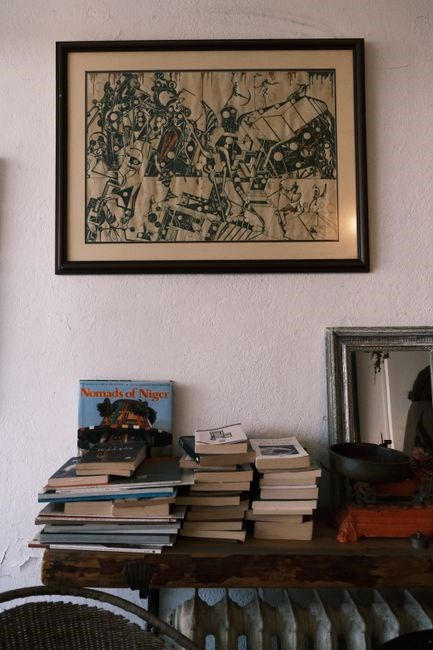
Choosing the right ink color for a framed ink book in PDF is a nuanced decision that balances visual harmony‚ readability‚ and the emotional tone of the narrative. The first step is to establish a color hierarchy that reflects the story’s mood. For instance‚ a subtle khaki wash can serve as a neutral frame that grounds the page without distracting from the central illustration. This light‚ earthy tone works well with darker inks‚ creating contrast while maintaining a cohesive palette. When adding accents‚ consider a lavender mist to soften edges and provide a gentle glow around key elements. Lavender’s cool undertones complement both warm and cool inks‚ making it ideal for highlighting delicate details or adding depth to background textures. For a pop of vibrancy‚ an avocado ink can be used sparingly to emphasize focal points—its muted green hue offers a natural contrast to the khaki and lavender‚ drawing the reader’s eye to important symbols or characters. Layering these inks requires careful control of opacity; using a semi‑transparent overlay allows underlying textures to show through‚ preserving the tactile feel of hand‑drawn paper. In PDF‚ embedding the exact color profiles ensures that the digital reproduction matches the original ink tones‚ preventing color shifts when viewed on different devices. Ultimately‚ the chosen ink palette should support the story’s atmosphere‚ enhance legibility‚ and preserve the artisanal quality that defines framed ink books. These choices bring page to life ink tradition with PDF.
Layering and Transparency in Digital Frames
Layering in a framed ink PDF is a strategic blend of opacity‚ order‚ and color fidelity that preserves the hand‑drawn feel while leveraging digital flexibility. First‚ the base layer—typically a high‑resolution scan of the inked page—serves as the canvas. On top of this‚ designers add a semi‑transparent background layer‚ often a subtle khaki wash‚ to soften the paper texture and create depth. This wash can be set to 30–40 % opacity‚ allowing the original ink strokes to remain visible yet muted‚ which mirrors the effect of a light dusting brush in traditional practice. Next‚ accent layers such as lavender mist or avocado highlights are applied with 10–20 % opacity‚ ensuring that they glow without overpowering the central illustration. The layering order is crucial: the darkest inks sit closest to the viewer‚ while lighter washes sit behind‚ creating a pseudo‑3D effect. Transparency is managed through PDF’s alpha channel support; each layer’s alpha value is embedded so that the final file renders consistently across devices. When exporting‚ the PDF must preserve the color profiles of each ink—embedding sRGB or Adobe RGB profiles guarantees that the khaki‚ lavender‚ and avocado tones remain true to the original. Finally‚ designers often add a subtle vignette layer at 5 % opacity to draw focus toward the center. By mastering layering‚ artists translate the tactile depth of frames into a crisp‚ scalable PDF that honors tradition while embracing the digital age‚ inviting readers to experience ink artistry in an accessible format!
Distribution and Accessibility
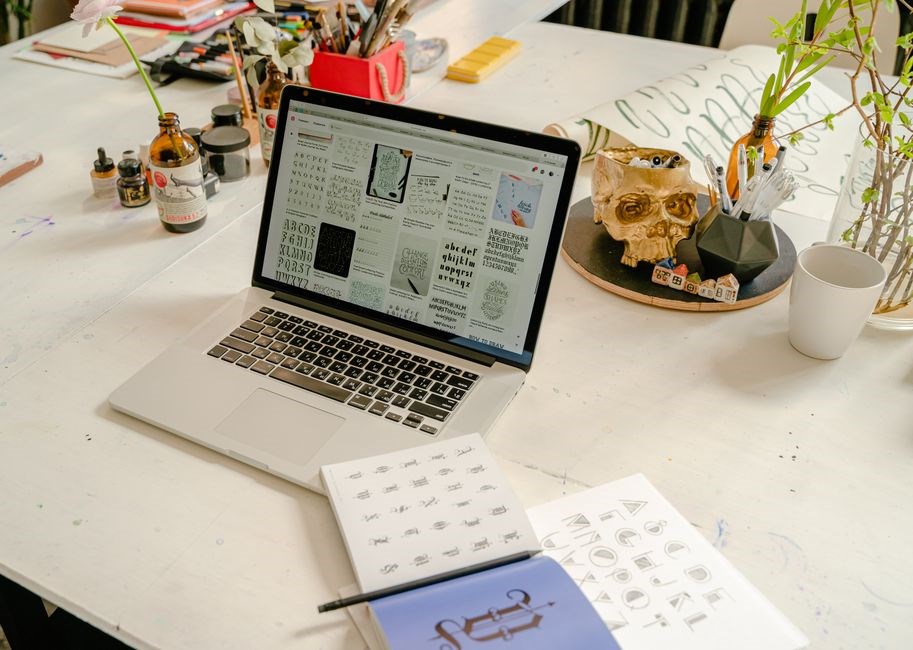
Framed ink PDFs reach audiences worldwide through platforms like Issuu‚ Gumroad‚ and institutional repositories‚ ensuring open access while preserving high‑resolution detail. Embedding alt text and tagging layers meets WCAG 2.1‚ making art inclusive for all users.
Online Platforms for Sharing Framed Ink PDFs

Digital ink books thrive on versatile hosting services that balance visibility‚ interactivity‚ and preservation. Issuu offers a reader‑friendly interface‚ auto‑generating thumbnails and embedding PDFs with zoom and full‑screen modes‚ while preserving vector inks. Gumroad provides direct download links‚ customizable pricing‚ and a storefront for limited‑edition releases. Scribd’s subscription model exposes works to a broad audience‚ and its “Read‑to‑Earn” feature rewards frequent readers. Behance showcases high‑resolution previews and links back to downloadable PDFs‚ ideal for portfolio‑centric creators. Academia.edu and ResearchGate host scholarly editions‚ ensuring citations and DOI assignment. For open‑access distribution‚ Zenodo and Figshare accept PDF uploads‚ attach metadata‚ and provide persistent URLs. Each platform supports embedded fonts and color profiles‚ guaranteeing that the subtle hues of hand‑dipped inks remain true across devices. Creators can also embed PDFs in personal WordPress sites using plugins like “PDF Embedder‚” offering full control over layout and access permissions. By selecting the right mix of platforms‚ artists can maximize reach‚ maintain quality‚ monetize their framed ink books effectively. Additionally‚ social media channels such as Instagram and TikTok allow creators to share short previews‚ linking back to the full PDF‚ while email newsletters can deliver exclusive PDF bundles to subscribers.
Accessibility Standards and Best Practices
Ensuring framed ink PDFs are accessible requires adherence to WCAG 2.1 Level AA guidelines. Embed descriptive alternative text for every image‚ diagram‚ or ink illustration; use alt attributes that convey visual intent. Provide a logical reading order by structuring PDF with tagged content‚ enabling screen readers to navigate from title to body. Include a comprehensive document title and author metadata‚ and use heading tags (H1–H6) to create a clear hierarchy. Color contrast should meet a 4.5:1 ratio for text against background; avoid relying solely on color to convey meaning‚ especially for users with color vision deficiencies. Offer selectable text by embedding searchable OCR‚ allowing users to copy‚ highlight‚ and search within the document. Add bookmarks and a table of contents for quick navigation. Use vector graphics for ink frames to preserve clarity at zoom levels‚ and embed standard color profiles (sRGB) to maintain color fidelity across devices. Finally‚ test the PDF with accessibility checkers like Adobe Acrobat’s Accessibility Checker or the PDF Accessibility Standards tool‚ and iterate based on feedback from assistive technology users. Additionally‚ providing a downloadable transcript of the ink content ensures that users who rely on screen readers can engage with narrative and commentary!
Legal and Licensing Considerations

When publishing a framed ink book in PDF‚ the creator must first identify the ownership of each ink element. If the ink drawings are original‚ the author holds copyright‚ but any incorporated third‑party images‚ fonts‚ or watermarks require explicit licenses. For fonts‚ embed only those licensed for commercial use or include a license file. Watermarks and logos must be cleared from the original source or replaced with royalty‑free alternatives. The PDF’s metadata should list the license type (e.g.‚ Creative Commons BY‑NC‑SA) and provide a link to the full license text. When distributing the PDF‚ choose a platform that respects DRM or offers a clear “no‑copy” policy. If the book is sold‚ include a sales agreement that specifies the scope of use for purchasers‚ such as personal use only‚ no redistribution‚ or limited commercial rights. For open‑source releases‚ the author can apply a CC‑0 waiver‚ but must still provide attribution for any third‑party assets. Finally‚ maintain a record of all licenses‚ receipts‚ and permissions in a master spreadsheet; this documentation protects against future infringement claims and facilitates audits by publishers or legal counsel. Additionally‚ creators should verify that any stock photography or clip art used complies with the licensing terms‚ ensuring that the license allows PDF distribution and‚ if necessary‚ attribution. When employing third‑party tools to convert artwork into PDF‚ confirm that the tool’s end‑user license permits embedding of proprietary fonts and images. For collaborative projects‚ maintain a shared license ledger that records each contributor’s rights and any revenue‑sharing agreements. All licenses must be recorded centrally
Future Trends in Framed Ink PDF Publishing
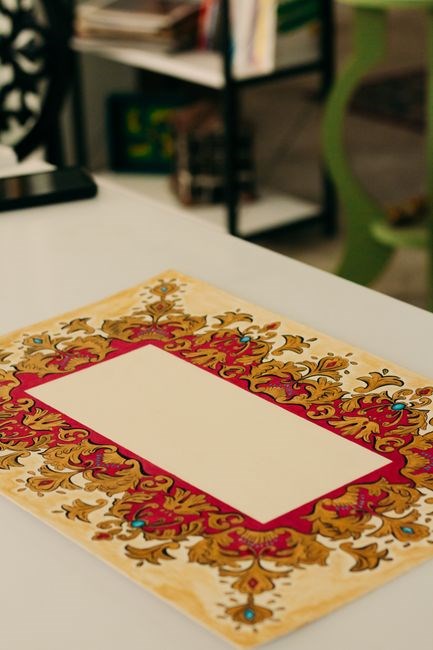
Emerging technologies are reshaping how framed ink books are conceived‚ produced‚ and consumed. Artificial‑intelligence‑driven vectorization tools can automatically trace hand‑drawn ink frames‚ producing clean‚ scalable outlines that preserve the original texture while enabling instant re‑coloring or style transfer. These AI‑augmented workflows reduce manual cleanup‚ allowing artists to focus on composition. Simultaneously‚ blockchain‑based digital rights management is gaining traction; each PDF can be minted as a non‑fungible token‚ ensuring provenance‚ enabling fractional ownership‚ and providing transparent royalty streams whenever the file is resold or licensed. Interactive PDFs are also on the rise: embedded micro‑animations‚ audio narration‚ and gesture‑controlled zoom layers let readers experience ink frames as dynamic artworks rather than static images. Moreover‚ responsive design frameworks allow PDFs to adapt to varying screen sizes‚ from smartphones to large‑format displays‚ preserving line fidelity across devices. Accessibility standards are evolving to include tactile PDF features‚ such as haptic feedback for blind readers‚ and machine‑readable metadata that facilitates search and indexing. Finally‚ eco‑friendly printing practices are being integrated; low‑ink‚ high‑resolution digital printing on recycled substrates‚ combined with zero‑watermark PDF packaging‚ aligns with sustainability goals. Collectively‚ these trends promise a future where framed ink books are not only preserved digitally but also experienced interactively‚ securely‚ and responsibly.
Artists are also exploring modular PDF architectures‚ where individual pages can be swapped or reordered without regenerating the entire file‚ enabling personalized editions and dynamic updates post‑publication. Furthermore‚ cross‑platform collaboration tools are emerging that allow multiple contributors to annotate‚ comment‚ and version‑control PDFs in real time‚ streamlining the editorial process and accelerating time‑to‑market for limited‑edition releases. In addition‚ the rise of augmented‑reality overlays means that printed framed ink books can be paired with mobile apps to reveal hidden layers‚ 3D models‚ or artist commentary‚ creating a hybrid physical‑digital experience that appeals to both collectors and casual readers. These innovations collectively position framed ink PDF publishing at the intersection of art‚ technology‚ and commerce!