Creme of Nature Hair Dye Instructions: A Comprehensive Guide
Creme of Nature offers vibrant color while nourishing hair; however, a skin allergy test is crucial 48 hours prior to use, even with prior dye experience․
Understanding Creme of Nature Hair Dye
Creme of Nature hair dye distinguishes itself through a commitment to incorporating nourishing ingredients alongside vibrant color technology․ Unlike some dyes prioritizing solely color deposition, Creme of Nature formulations often include elements like argan oil and other botanical extracts, aiming to condition the hair during the coloring process․ This focus attempts to minimize potential damage commonly associated with hair dyeing․
However, it’s vital to understand that even with conditioning ingredients, hair dye inherently alters the hair’s structure․ The dye doesn’t generally lift already colored hair significantly; it primarily deposits color onto the existing hair shaft․ Achieving noticeable lift, especially on darker hair, often requires a separate lightening process – though using a higher developer might help slightly․
The product is specifically formulated for hair, and must not be used on eyelashes or eyebrows due to the risk of blindness․ Always read the complete directions included with the product before application, and remember to wear suitable gloves to protect your skin․
Available Shades and Color Selection
Creme of Nature boasts an extensive palette, catering to diverse preferences and hair types․ The range encompasses permanent, semi-permanent, and demi-permanent options, allowing for varying degrees of color commitment and intensity․ Shades span from natural-looking browns and blacks to vibrant reds, golds, and even fashion-forward colors like plum and burgundy․
Balayage enthusiasts will find shades suitable for creating sun-kissed, blended looks, mirroring techniques popularized by stylists like Brad Mondo․ The color selection aims to provide up to 100% gray coverage, delivering a refreshed and even application․ However, results will vary depending on the percentage of gray hair and the starting hair color․
When selecting a shade, consider your natural hair color and desired outcome․ For subtle changes, opt for a shade close to your current color․ For more dramatic transformations, particularly lifting from dark to light, professional consultation is recommended․ Remember, the dye’s ability to lift is limited, especially on previously colored hair․
Hair Type Compatibility
Creme of Nature hair dye is formulated to be compatible with a wide range of hair types, including natural, relaxed, textured, and previously chemically treated hair․ However, compatibility and results can vary significantly based on hair porosity, density, and overall health․
Those with curly or textured hair, like a curly fro, may find the dye blends seamlessly, especially when employing techniques like balayage․ Starting on blown-out, straightened hair (as suggested by stylists) can aid in even application․ However, it’s crucial to understand that the dye generally won’t lift already colored hair, limiting its effectiveness on heavily processed strands․
Individuals with fine or damaged hair should exercise caution and consider a strand test before full application․ Deep conditioning treatments are highly recommended post-dyeing to restore moisture and minimize potential damage․ While the formula aims to nourish, over-processing or frequent coloring can still compromise hair health․ Always prioritize hair’s condition and adjust the process accordingly․
Preparation for Dyeing
Prior to coloring, complete a skin allergy test 48 hours beforehand, even with previous use․ Gather all supplies and protect clothing and skin from potential stains․
Performing a Skin Allergy Test (48 Hours Prior)
A skin allergy test is non-negotiable, even if you’ve used hair dye before․ This crucial step, performed 48 hours before full application, helps identify potential sensitivities․ Begin by mixing a small amount – one teaspoon each – of the Creme of Nature Permanent Creme Gel Hair Color and the Developer in a clean, plastic bowl․ Avoid metal!
Thoroughly wash and dry a small area in the fold of your arm․ Using a cotton-tipped applicator, carefully apply a small amount of the mixture to this area․ Do not rub it in vigorously; a gentle application is sufficient․ Now, patiently wait 48 hours․ During this period, observe the area for any signs of reaction․
What to look for: Redness, itching, burning, swelling, or a rash indicate a sensitivity to the dye․ If any of these symptoms appear, do not proceed with dyeing your hair․ Consult a doctor if the reaction is severe․ A negative result – no reaction after 48 hours – means you can likely proceed, but always remain vigilant during the full application process․
Gathering Necessary Supplies
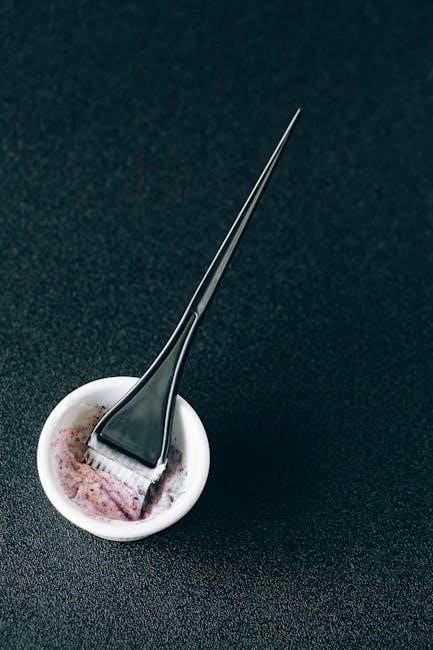
Successful at-home hair coloring hinges on having everything readily available before you begin․ First, you’ll need the Creme of Nature hair dye kit itself, ensuring it includes the Creme Gel Hair Color and the Developer․ A plastic bowl is essential for mixing – avoid metal, as it can react with the dye․ A hair paintbrush, similar to those used by professionals, allows for precise application․
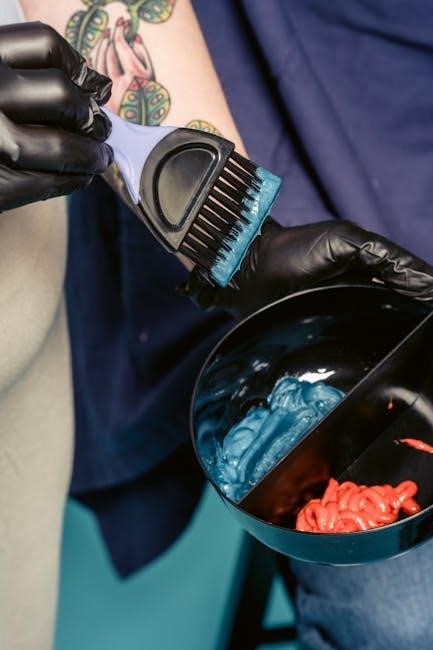
Protective gear is vital: gloves (usually included in the kit, but have extras on hand!), an old towel to protect your clothing, and potentially a cape or old t-shirt․ Sectioning clips will help divide your hair for even coverage․ A plastic spoon is useful for the allergy test and potentially for mixing․
Consider having petroleum jelly available to apply along your hairline to prevent staining․ Finally, have a timer handy to accurately track the processing time․ Preparing these supplies beforehand streamlines the process and minimizes stress, leading to a more satisfying result․ Don’t forget a mirror to see the back of your head!
Protecting Your Clothing and Skin
Protecting yourself from potential stains is paramount when using hair dye; Begin by donning old clothing that you don’t mind potentially discoloring – a dark-colored, dedicated dyeing shirt is ideal․ Drape an old towel or a protective cape over your shoulders to catch any drips or splatters․
Skin protection is equally important․ Apply a generous layer of petroleum jelly along your hairline, ears, and the nape of your neck․ This creates a barrier, preventing the dye from staining your skin․ Wear the gloves provided in the kit throughout the entire application process; avoid touching your face or scalp without them․
If dye accidentally comes into contact with your skin, wipe it off immediately with a damp cloth․ Should it get into your eyes, rinse thoroughly with water․ Remember, preventing stains is far easier than trying to remove them later, so diligent preparation is key to a clean and stress-free coloring experience․
Step-by-Step Dyeing Instructions
Begin by meticulously mixing the Creme Gel and Developer, then section your hair for even coverage․ Apply the mixture from root to tip, monitoring processing time carefully․
Mixing the Dye: Creme Gel & Developer
Achieving the perfect color begins with precise mixing of the Creme of Nature Creme Gel and Developer․ Using a non-metallic plastic bowl – crucial to avoid chemical reactions – carefully dispense the contents of both tubes․ A standard ratio, as indicated on the packaging, is generally followed, ensuring complete emulsification for consistent results․
Employing a hair paintbrush, similar to those used by professional stylists, facilitates a smooth and even application․ Thoroughly blend the creme gel and developer until a uniform consistency is achieved, free from lumps or streaks․ This step is paramount; incomplete mixing can lead to uneven color distribution and unpredictable outcomes․
For the preliminary skin allergy test, combine one teaspoon of each component․ Remember, even if you’ve used hair dye before, this test is non-negotiable․ Proper mixing ensures the test accurately reflects your potential reaction․ Once mixed, the dye is ready for application, but only after the 48-hour allergy test period has passed with no adverse effects․
Sectioning Your Hair for Even Application
Proper hair sectioning is fundamental to achieving a professional-looking, evenly colored result with Creme of Nature dye․ Inspired by techniques used by stylists like Brad Mondo, begin by dividing your hair into manageable sections – typically four quadrants: two in the front and two in the back․
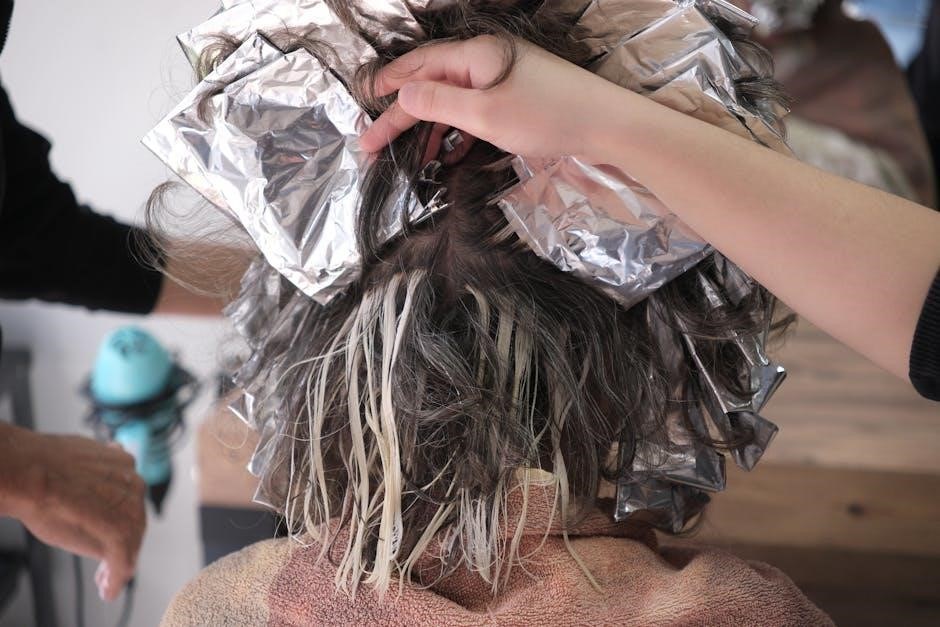
Utilize hair clips to securely hold each section, preventing overlap and ensuring complete dye saturation․ The size of the sections will depend on your hair’s thickness and length; smaller sections are ideal for thicker hair, guaranteeing every strand is coated․ For curly hair, starting on blown-out, straightened hair, as suggested by professionals, can improve accuracy․
Systematically work through each section, applying the dye from root to tip․ This methodical approach minimizes missed spots and ensures consistent color development․ Pay close attention to the hairline and parting, areas often prone to unevenness․ Precise sectioning, combined with careful application, is key to a flawless, salon-quality finish․
Applying the Dye: Root to Tip
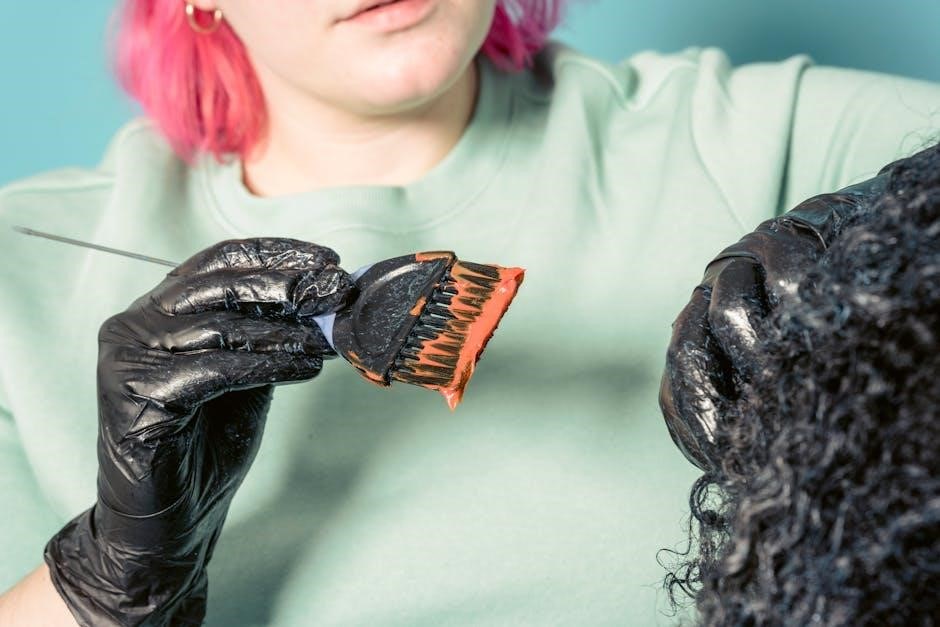
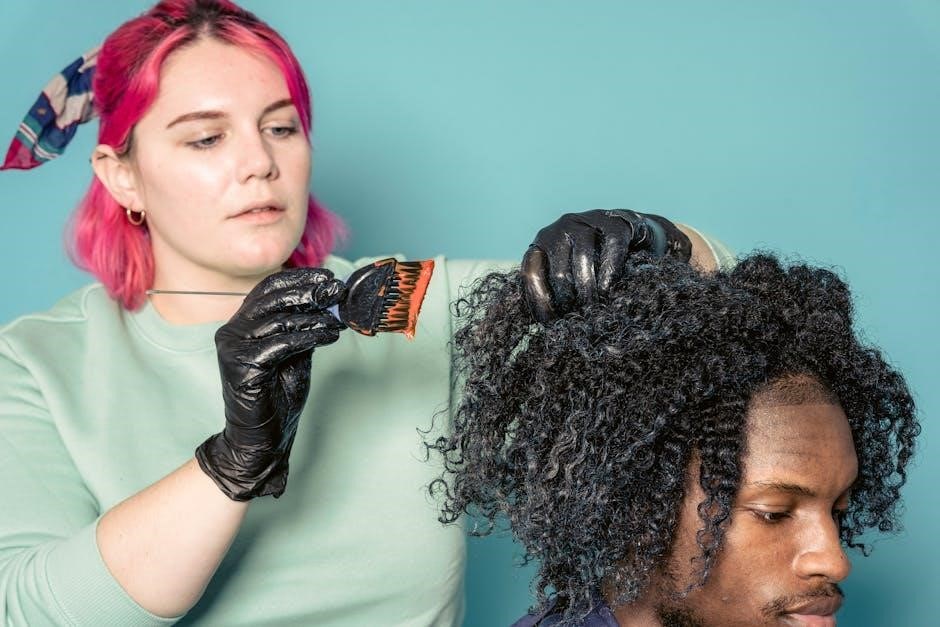
Once your hair is sectioned, begin applying the Creme of Nature dye mixture meticulously, starting at the roots․ Utilize a plastic bowl and a hair paintbrush – similar to those used by professionals – for precise application, avoiding direct contact with the scalp as much as possible․
Work through each section systematically, ensuring complete saturation from root to tip․ A consistent, even coating is crucial for uniform color development․ For optimal results, especially with curly or textured hair that has been prepped with a blow-out, maintain a steady hand and avoid rushing the process․
Focus on thoroughly coating each strand, paying particular attention to areas around the hairline and parting, which often require extra attention․ Remember, the dye won’t generally lift previously colored hair, so focus on achieving even coverage on the existing color or natural hair․ Rinse immediately if any product contacts your eyes, and wear suitable gloves throughout the application․
Processing Time and Monitoring
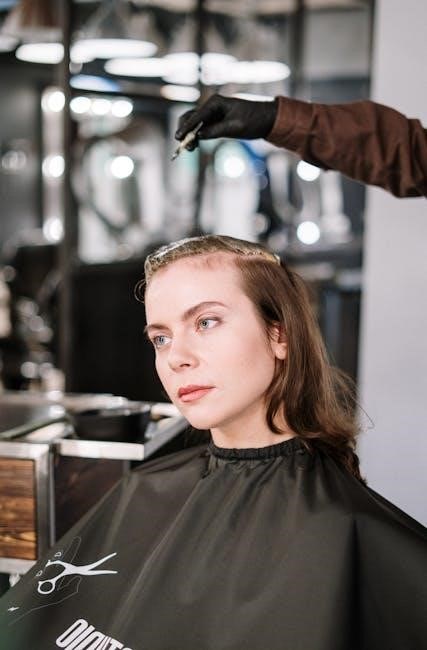
After the complete application of the Creme of Nature dye, carefully monitor the processing time as indicated on the product packaging․ This is a critical step for achieving the desired color intensity and minimizing potential damage․ Avoid exceeding the recommended time, as over-processing can compromise hair health․
During the processing period, it’s advisable to avoid external heat sources, as this can accelerate the chemical reaction and lead to unpredictable results․ A gentle check of a small strand can help gauge color development, but refrain from excessive manipulation․ Remember, achieving lift on dark hair, especially with a single application, may be limited․
If you’re aiming for a more significant color change, particularly when dealing with previously dyed hair, understand that multiple applications may be necessary․ Patience is key, and allowing sufficient time between applications can help prevent excessive damage․ Consistent monitoring ensures optimal color and hair condition․
Post-Dyeing Care
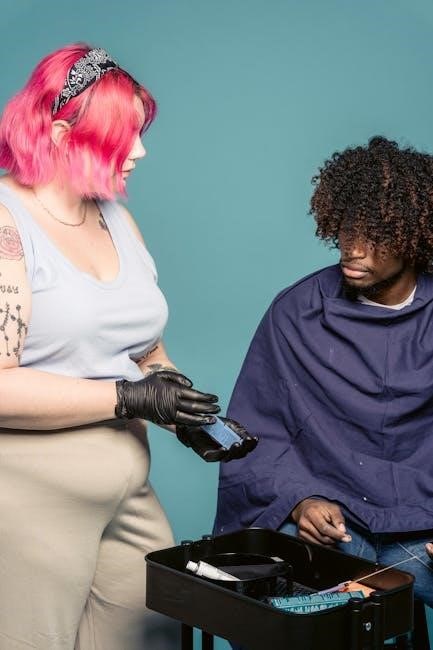
Thoroughly rinse hair after application, then utilize the provided conditioner to seal the cuticle․ A deep conditioning treatment is highly recommended for enhanced moisture and lasting vibrancy․
Rinsing the Hair Thoroughly
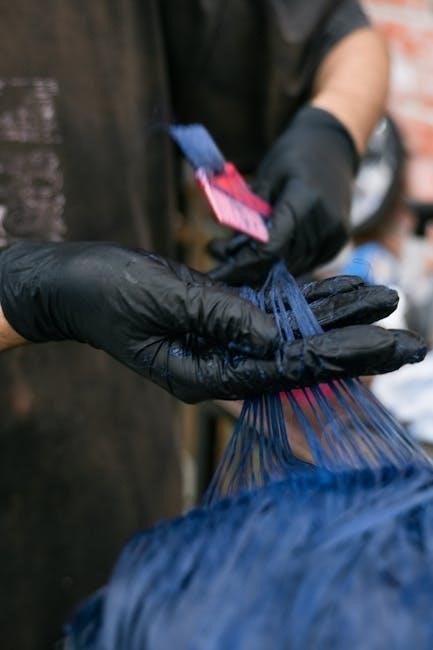
After the recommended processing time, rinsing is a critical step to remove all traces of the dye and prevent continued color development․ Begin with lukewarm water, avoiding hot water as it can cause the hair cuticle to open further, potentially leading to faster color fade; Gently rinse until the water runs completely clear – this may take several minutes, especially for thicker or longer hair․
Ensure you rinse every section of your hair, lifting and separating strands to guarantee no dye residue remains․ Pay particular attention to the roots and hairline, as these areas often accumulate product․ A thorough rinse minimizes irritation and ensures the true color is revealed․ Avoid using shampoo at this stage; simply focus on removing the dye itself with water․
Continue rinsing until you are absolutely certain no color is being released․ A helpful tip is to use a clean, white towel to blot your hair after rinsing; if any color transfers to the towel, continue rinsing․ Proper rinsing sets the foundation for vibrant, long-lasting color and healthy hair․
Using the Conditioner Provided
Following a thorough rinse, immediately apply the conditioner included in the Creme of Nature hair dye kit․ This conditioner is specifically formulated to help seal the hair cuticle, lock in color, and restore moisture lost during the dyeing process․ Apply generously, ensuring every strand is coated from root to tip․
Massage the conditioner into your hair, focusing on the ends, which tend to be the driest and most damaged․ Leave the conditioner on for the time indicated on the packaging – typically around 2-3 minutes – to allow it to fully penetrate and nourish the hair․ While the conditioner is processing, you can gently detangle your hair with a wide-tooth comb․
Rinse the conditioner out thoroughly with lukewarm water, again ensuring all traces are removed․ This step is crucial to prevent buildup and maintain hair health․ The provided conditioner is a vital component of the dyeing process, contributing to the overall vibrancy and condition of your newly colored hair․
Deep Conditioning Treatment (Recommended)
While the included conditioner provides initial hydration, a deep conditioning treatment is highly recommended following the use of Creme of Nature hair dye, especially for those with naturally curly, textured, or previously damaged hair․ Dyeing, even with a nourishing formula, can temporarily alter the hair’s porosity and moisture balance․
A deep conditioner will help to replenish lost moisture, strengthen the hair shaft, and improve elasticity, preventing breakage and promoting overall hair health․ Look for deep conditioners containing ingredients like argan oil, shea butter, or keratin․ Apply the treatment generously to clean, damp hair, focusing on the mid-lengths and ends․
Cover your hair with a plastic cap or warm towel to trap heat, which helps the conditioner penetrate more effectively․ Leave the treatment on for 20-30 minutes, or as directed on the product packaging․ Rinse thoroughly with cool water to seal the cuticle and enhance shine․ Regular deep conditioning will maintain the vibrancy and health of your color-treated hair․

Troubleshooting & Important Considerations
Dye lift is limited on already colored hair; achieving significant lightening on dark hair may require a higher developer volume or multiple applications․
Dyeing Previously Colored Hair
When applying Creme of Nature dye to previously colored hair, understanding its limitations is key․ The product generally doesn’t lift existing color, meaning you won’t achieve a dramatically lighter shade with a single application․ Instead, the dye will deposit over the existing color, potentially deepening or altering the tone․
If you’re aiming for a lighter result, pre-lightening may be necessary, but this introduces potential damage and should be approached cautiously․ Consider strand testing a small, hidden section of hair first to predict the outcome․
For subtle changes or to refresh faded color, Creme of Nature can work well․ However, if your hair has multiple layers of color, the results can be unpredictable․ It’s often recommended to use a shade close to your current color to avoid muddying or uneven tones․ Remember, using more dye won’t necessarily give more lift; it may simply intensify the existing color․ Patience and realistic expectations are crucial when coloring previously treated hair․
Achieving Lift on Dark Hair
Attempting to lighten dark hair with Creme of Nature dye alone can be challenging․ As noted, the dye is not designed for significant lift, particularly on naturally dark or deeply pigmented hair․ Expecting a drastic change – like going from black to blonde – with a single box is unrealistic and likely to result in minimal visible difference․
For noticeable lightening, pre-lightening with a bleach or lightening product is typically required․ However, this process can be damaging, so proceed with caution and consider professional assistance․ If you choose to lighten at home, a lower volume developer is recommended to minimize damage․
Alternatively, consider a gradual lightening approach․ Using a lighter shade of Creme of Nature over several applications, spaced weeks apart, can subtly lift the color over time․ Starting with a shade close to your current color and gradually moving lighter is a safer strategy․ Remember, strand testing is vital to assess the outcome before full application․
Gray Hair Coverage Effectiveness
Creme of Nature hair dye is marketed as capable of covering up to 100% of gray hair, promising an even and refreshed color application․ However, the degree of coverage can vary depending on the percentage of gray hair and its texture․ Individuals with a higher proportion of gray hairs may find the coverage less complete on the first application․
For stubborn grays, ensuring thorough saturation of the roots is crucial․ Sectioning the hair carefully and applying the dye directly to the gray areas will maximize coverage․ Processing for the full recommended time is also essential․
Some users report needing a second application to achieve complete gray coverage, particularly with coarse or resistant gray hair․ It’s important to note that previously dyed hair can impact the outcome, as the dye may not deposit as effectively on already colored strands․ A preliminary strand test is always recommended to assess coverage before applying to the entire head․
Dealing with Allergic Reactions
Although a skin allergy test is mandatory 48 hours before application, allergic reactions to Creme of Nature hair dye can still occur․ Symptoms may include itching, redness, burning, swelling, or a rash on the scalp, face, or neck․ If any of these symptoms develop, discontinue use immediately and rinse the hair thoroughly with water․
In cases of mild reactions, over-the-counter antihistamines or hydrocortisone cream may provide relief․ However, severe reactions – such as difficulty breathing, swelling of the throat, or dizziness – require immediate medical attention․ Seek emergency medical help without delay․
Crucially, the product explicitly warns against using it to dye eyelashes or eyebrows, as this can cause blindness․ If the dye comes into contact with your eyes, rinse them immediately and thoroughly with water․ Always wear suitable gloves during application to minimize skin contact․ If irritation persists, consult a dermatologist․