
Conservation Biology emerges as a crucial discipline, addressing the accelerating loss of biodiversity and ecosystem health. It’s a synthetic field, integrating ecological principles with practical solutions.
This field studies the dynamics of perturbed ecosystems, species, and communities, aiming to prevent further degradation. It’s a response to growing environmental challenges.
Resources are available, including courses and detailed notes, to support conservation efforts and restoration work. Understanding this field is vital for a sustainable future.
Defining Conservation Biology
Conservation Biology is fundamentally the scientific study of the conservation of nature and of natural resources. It’s an interdisciplinary subject, drawing upon not just biology, but also ecology, genetics, statistics, and even social sciences like economics and political science.
At its core, the discipline investigates the loss of Earth’s biological diversity – encompassing ecosystems, species, populations, and genetic variation – and seeks to develop practical strategies to prevent this loss. It’s a crisis discipline, arising from the realization that human activities are driving species extinctions at an unprecedented rate.
The field acknowledges both ethical and pragmatic reasons for conservation. Ethical arguments center on the intrinsic value of nature, while pragmatic arguments highlight the essential ecosystem services that biodiversity provides – clean air and water, pollination, climate regulation, and more. Detailed pdf notes on introductory conservation biology often emphasize this dual perspective, outlining the historical development and core principles guiding the field’s approach to complex conservation challenges.
Historical Development of Conservation Biology
The roots of Conservation Biology trace back to the late 19th and early 20th centuries, initially driven by concerns over overexploitation of resources – particularly game animals and forests; Early conservation efforts were often utilitarian, focused on sustainable yield for human benefit. However, a shift began with growing awareness of broader ecological impacts.
The formal emergence of Conservation Biology as a distinct discipline is generally attributed to the 1980s, spurred by increasing rates of habitat loss, species extinction, and a growing sense of urgency. Michael Soulé’s 1985 publication, “What is Conservation Biology?” is considered a foundational text, defining the field’s scope and principles.
Pdf notes on the historical development highlight the influence of earlier movements like environmentalism and wildlife management. They also detail the evolution from a resource-focused approach to a more holistic, ecosystem-based perspective. Contemporary conservation biology increasingly integrates genetic considerations and landscape-level planning, building upon this historical foundation.
The Core Principles of Conservation Biology
Conservation Biology is guided by several core principles, central to its approach. Maintaining biological diversity – encompassing genetic, species, and ecosystem levels – is paramount. This includes understanding the interconnectedness of life and the importance of ecological processes.
A key tenet is the precautionary principle, advocating for proactive measures even with incomplete scientific certainty, especially when facing potential irreversible harm. Evolutionary processes are also recognized as vital, emphasizing the need to maintain adaptive potential within populations.
Pdf notes on these principles often detail the ethical considerations underpinning the field, acknowledging both human-centered and intrinsic values of nature. Sustainable resource management, restoration ecology, and minimizing human impact are also consistently highlighted. These principles inform conservation strategies and guide research efforts globally.
Biodiversity: The Foundation of Conservation
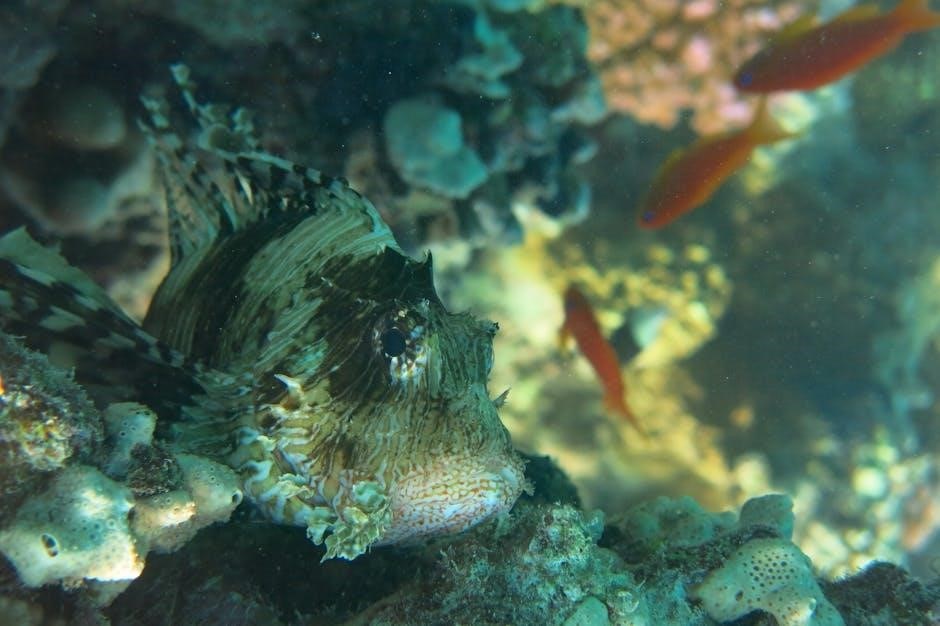
Biodiversity, the variety of life on Earth, is fundamental to conservation. Pdf notes emphasize ecosystems, species, populations, and genes as crucial components of this diversity.
Understanding Biological Diversity
Biological diversity, often shortened to biodiversity, represents the sheer variety of life inhabiting our planet – a concept central to conservation biology as highlighted in introductory pdf notes. This encompasses a spectrum of life forms, from microscopic bacteria to towering redwood trees, and everything in between.
It’s not simply a count of species; biodiversity delves into the intricate relationships within ecosystems. These relationships, forged over millennia, contribute to ecosystem stability and resilience. Understanding these connections is paramount for effective conservation strategies.
The value of biodiversity extends beyond ecological functions. It provides essential ecosystem services – clean air and water, pollination, climate regulation – that directly benefit humanity. Furthermore, biodiversity holds immense potential for scientific discovery, offering solutions to challenges in medicine, agriculture, and technology. Introductory materials often stress the ethical imperative to protect this natural heritage for future generations, recognizing its intrinsic worth.
Levels of Biodiversity: Genetic, Species, and Ecosystem
Conservation biology pdf notes frequently detail biodiversity’s hierarchical structure, categorized into three primary levels. Genetic diversity, the foundation, encompasses the variations within a species’ gene pool – crucial for adaptation and resilience. A limited gene pool renders populations vulnerable to disease and environmental shifts.
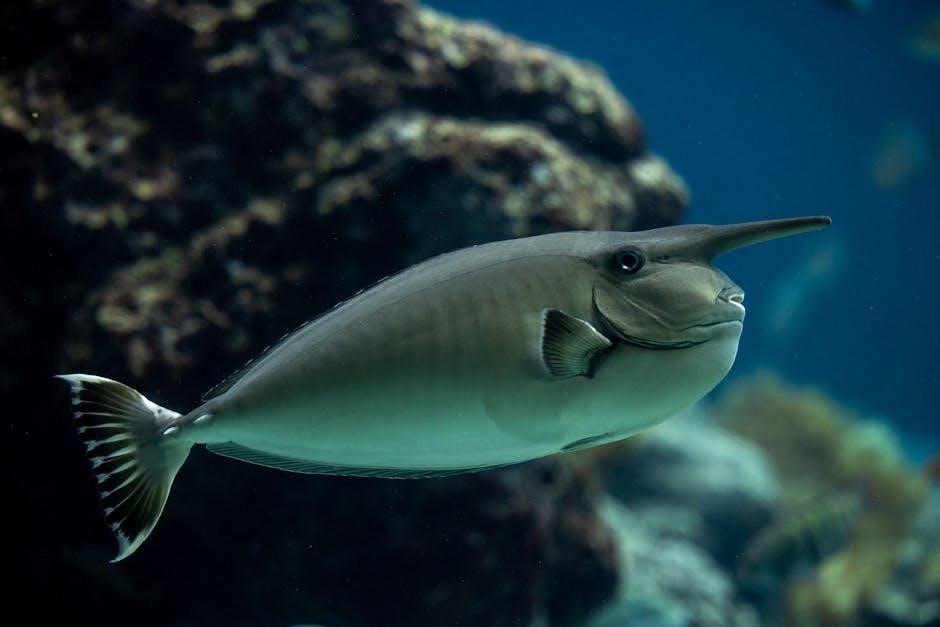
Species diversity refers to the variety of species within a given area. This is often the most readily measurable aspect of biodiversity, though it’s merely one piece of the puzzle. Loss of species disrupts ecosystem functions and can trigger cascading effects.
Finally, ecosystem diversity encompasses the variety of habitats, communities, and ecological processes. This level considers the interactions between species and their physical environment. Protecting ecosystem diversity ensures the continued provision of vital ecosystem services. Understanding these interconnected levels is fundamental to effective conservation planning, as highlighted in introductory texts.
Measuring Biodiversity: Indices and Methods
emphasize that quantifying biodiversity is essential for monitoring and evaluating conservation efforts. Several indices and methods are employed, each with strengths and limitations. Species richness, the simplest measure, counts the total number of species in a given area, but doesn’t account for abundance.
More sophisticated indices, like the Shannon Diversity Index and Simpson’s Diversity Index, incorporate both species richness and evenness – the relative abundance of each species. These provide a more nuanced understanding of community structure.
Genetic diversity is assessed through molecular techniques, analyzing variations in DNA. Ecosystem diversity is often measured by habitat mapping and assessing the range of ecological processes. Remote sensing and Geographic Information Systems (GIS) are increasingly used for large-scale biodiversity assessments, providing crucial data for informed conservation strategies.
Threats to Biodiversity
highlight key threats: habitat loss, overexploitation, climate change, and invasive species. These factors drastically reduce biodiversity.
Understanding these pressures is crucial for developing effective conservation strategies and mitigating their impacts on ecosystems.
Habitat Loss and Fragmentation
consistently emphasize habitat loss as the most significant threat to biodiversity globally. This stems from human activities like deforestation, agricultural expansion, urbanization, and infrastructure development.
However, it’s not merely the amount of habitat lost, but also how it’s broken apart – fragmentation – that poses a severe problem. Fragmentation creates smaller, isolated patches of habitat, hindering species movement and gene flow.
These isolated populations become more vulnerable to extinction due to reduced genetic diversity, increased inbreeding, and heightened susceptibility to environmental changes or stochastic events. Edge effects, where the altered conditions at habitat boundaries negatively impact interior species, also become more pronounced.
Conservation efforts must therefore focus on preserving large, contiguous habitats, establishing wildlife corridors to connect fragmented areas, and restoring degraded landscapes to mitigate the detrimental effects of habitat loss and fragmentation.
Overexploitation of Resources
frequently highlight overexploitation as a critical driver of species decline and ecosystem disruption. This involves harvesting renewable resources – like fish, timber, and wildlife – at rates exceeding their capacity to replenish.
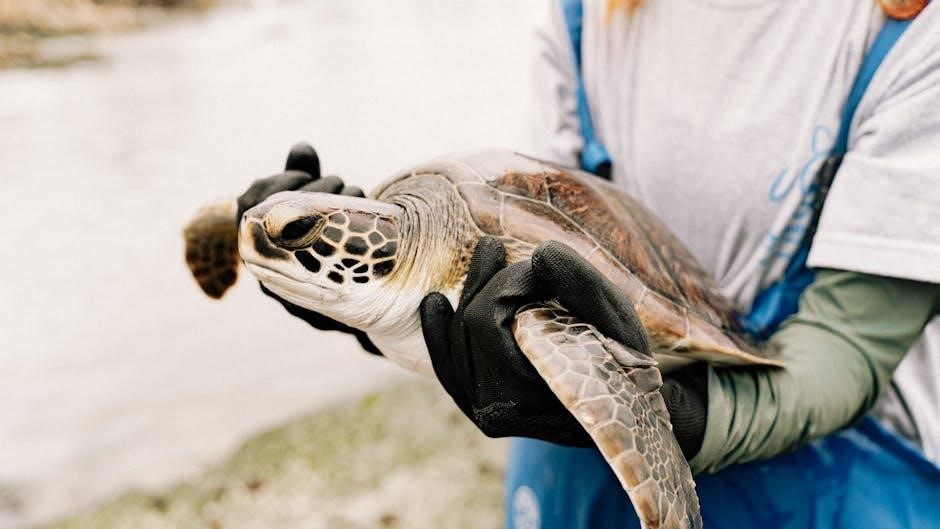
Historically, overhunting led to the extinction of numerous species, and continues to threaten many others. Unsustainable fishing practices deplete fish stocks, disrupting marine ecosystems and impacting food security. Illegal wildlife trade fuels poaching and endangers iconic species.
The core issue isn’t resource use itself, but the rate and regulation of that use. Lack of effective management, coupled with demand driven by economic incentives, often leads to unsustainable exploitation.
Conservation strategies addressing overexploitation include establishing quotas, implementing protected areas, enforcing regulations, promoting sustainable harvesting practices, and tackling the underlying economic drivers of illegal trade.
Climate Change and its Impacts
consistently emphasize climate change as a pervasive and accelerating threat to biodiversity. Rising global temperatures, altered precipitation patterns, and increased frequency of extreme weather events are fundamentally reshaping ecosystems worldwide.
Species are responding to these changes through range shifts, altered phenology (timing of biological events), and, in some cases, evolutionary adaptation. However, many species lack the capacity to adapt quickly enough, leading to population declines and increased extinction risk.
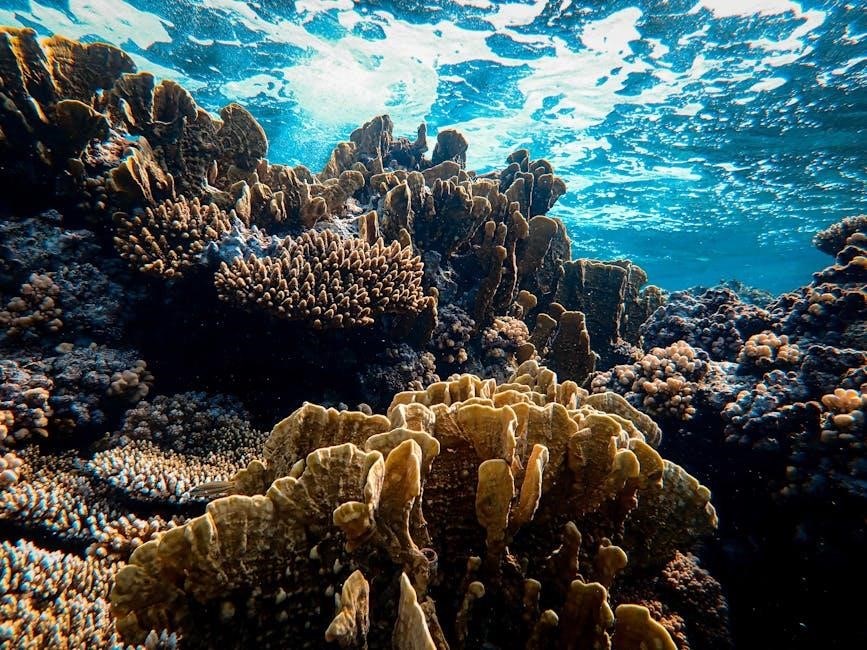
Coral reefs are particularly vulnerable to ocean warming and acidification, experiencing widespread bleaching events. Changes in temperature and precipitation also impact forest ecosystems, increasing the risk of wildfires and pest outbreaks.
Conservation strategies must incorporate climate change considerations, including reducing greenhouse gas emissions, protecting climate refugia, and assisting species in adapting to changing conditions.
Invasive Species and their Consequences
highlight invasive species as a major driver of biodiversity loss, often second only to habitat destruction. These non-native organisms, introduced intentionally or accidentally, can outcompete native species for resources, prey upon them, or introduce novel diseases.
Invasive plants can alter ecosystem structure and function, changing fire regimes and reducing habitat quality. Invasive animals can disrupt food webs and cause significant economic damage to agriculture and forestry.
Island ecosystems are particularly vulnerable to invasive species, as native species often lack defenses against novel predators or competitors. Control and eradication of invasive species are often costly and challenging, requiring long-term management efforts.
Preventing introductions is the most effective strategy, emphasizing strict biosecurity measures and public awareness campaigns. Conservation efforts must address the threat of invasive species to protect native biodiversity.
Conservation Strategies and Approaches
Conservation biology pdf notes detail diverse strategies: in-situ habitat protection, ex-situ methods like zoos, and ecological restoration for damaged ecosystems.
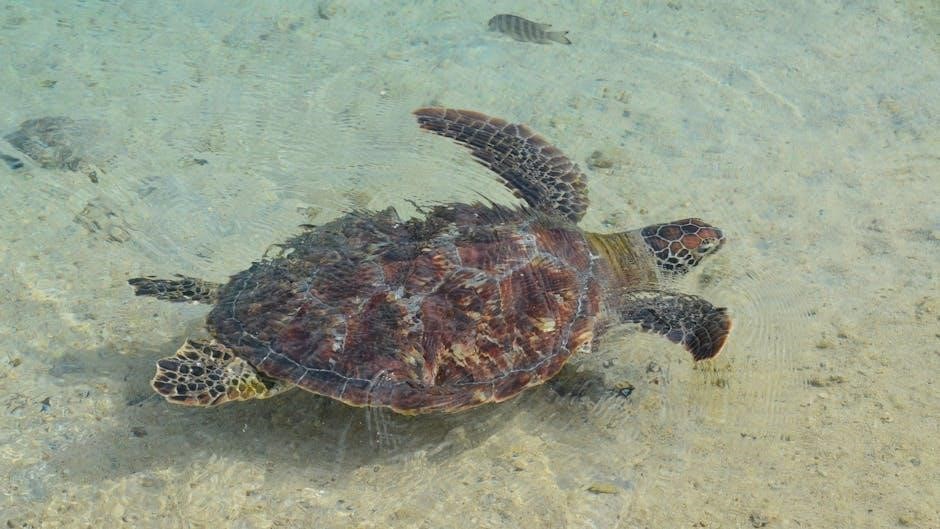
Sustainable resource management is key, balancing human needs with biodiversity preservation for long-term ecological health and resilience.
In-Situ Conservation: Protecting Habitats
In-situ conservation, as detailed in introduction to conservation biology pdf notes, prioritizes the preservation of species within their natural habitats. This approach recognizes the intricate relationships between organisms and their environment, acknowledging that a species’ long-term survival is inextricably linked to the health of its ecosystem.
Effective in-situ strategies encompass establishing protected areas – national parks, wildlife reserves, and marine sanctuaries – to safeguard critical habitats from destructive activities like deforestation, urbanization, and unsustainable resource extraction. These areas serve as refuges, allowing populations to thrive with minimal human interference.
However, simply designating protected areas isn’t sufficient. Successful in-situ conservation demands comprehensive management plans that address threats like poaching, invasive species, and habitat degradation. Community involvement is also paramount, fostering local stewardship and ensuring that conservation efforts align with the needs and values of people living near protected areas. Furthermore, landscape-level planning, considering connectivity between habitats, is crucial for maintaining genetic diversity and facilitating species movement.
Ex-Situ Conservation: Zoos, Botanical Gardens, and Seed Banks
Ex-situ conservation, as explored in introduction to conservation biology pdf notes, involves protecting species outside their natural habitats. This approach serves as a crucial safety net for species facing imminent extinction or those requiring specialized care unavailable in the wild.
Zoos and aquariums play a vital role by maintaining breeding programs for endangered animals, aiming to increase population sizes and, where possible, reintroduce individuals back into their native environments. Botanical gardens similarly conserve plant diversity, safeguarding rare and threatened species through cultivation and seed storage.
Seed banks are particularly important for preserving plant genetic resources, offering a cost-effective way to store seeds for future use in restoration projects or research. These facilities provide a backup against habitat loss and climate change. However, ex-situ conservation isn’t a replacement for in-situ efforts; it’s most effective when integrated with habitat protection and restoration strategies, ensuring long-term species survival.
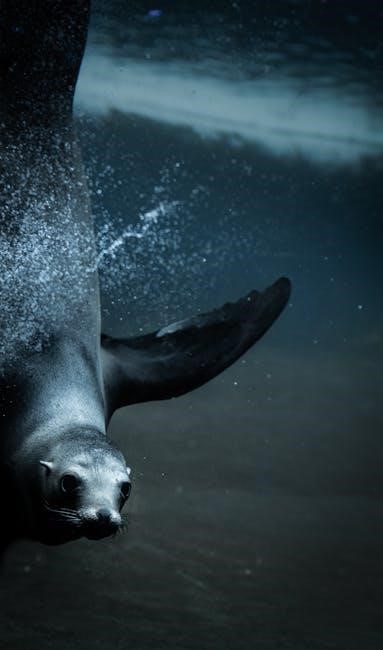
Restoration Ecology: Rebuilding Damaged Ecosystems
Restoration ecology, detailed in introduction to conservation biology pdf notes, focuses on assisting the recovery of degraded, damaged, or destroyed ecosystems. It’s an active process, going beyond simply allowing nature to take its course, and often requires human intervention to accelerate natural processes.
This field involves a range of techniques, from reintroducing native species and removing invasive ones, to restoring hydrological regimes and improving soil health. Successful restoration requires a thorough understanding of the ecosystem’s original structure and function, as well as the factors that led to its degradation.
Restoration isn’t about recreating a pristine past, but rather about establishing a functional ecosystem that can provide essential services. It’s a dynamic process, adapting to changing environmental conditions and incorporating lessons learned from previous efforts. Ultimately, restoration ecology aims to enhance biodiversity, improve ecosystem resilience, and benefit both wildlife and human communities.
Sustainable Resource Management
Sustainable resource management, as highlighted in introduction to conservation biology pdf notes, is a core tenet of long-term conservation success. It emphasizes utilizing natural resources in a way that meets current needs without compromising the ability of future generations to meet their own.
This approach necessitates careful consideration of ecological limits, economic viability, and social equity. It moves beyond simply maximizing short-term yields, and instead focuses on maintaining the long-term health and productivity of ecosystems. Key strategies include implementing quotas, establishing protected areas, and promoting responsible harvesting practices.
Effective sustainable management requires adaptive strategies, constantly monitoring resource levels and adjusting practices accordingly. It also demands collaboration between scientists, policymakers, and local communities. Ultimately, sustainable resource management aims to balance human needs with the preservation of biodiversity and ecosystem services, ensuring a healthy planet for all.
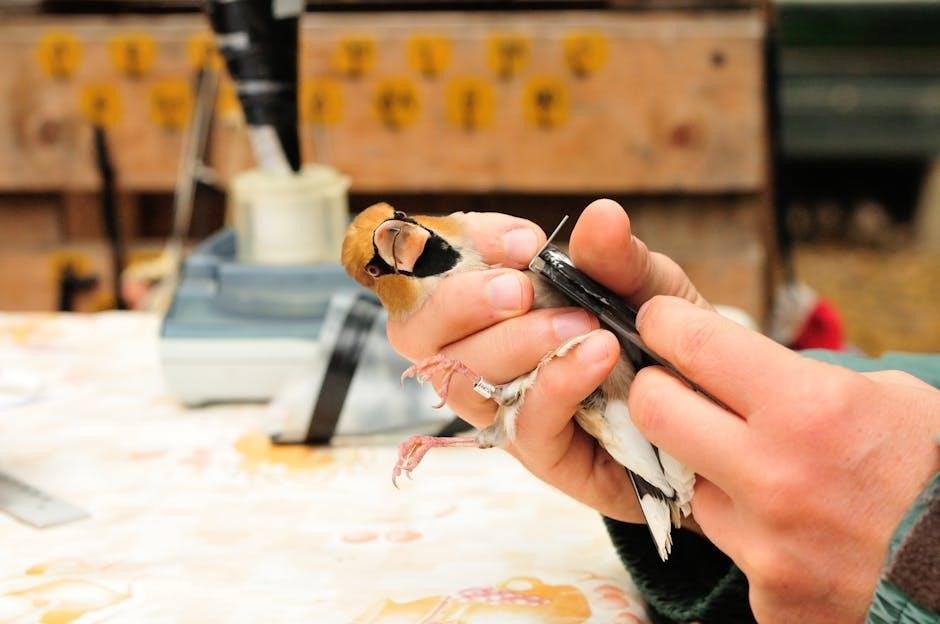
Conservation Biology in Practice
Conservation Biology applies principles through population viability analysis, conservation genetics, and landscape ecology. These tools inform practical conservation planning and implementation strategies.
Conservation Genetics and its Applications
Conservation genetics is a vital tool, applying genetic principles to preserve biodiversity. It assesses genetic diversity within populations, crucial for long-term survival and adaptive potential.
Key applications include identifying distinct populations for prioritized conservation, managing inbreeding depression in endangered species, and understanding gene flow between fragmented habitats. Genetic data informs breeding programs in ex-situ conservation, like zoos and seed banks, maximizing genetic representation.
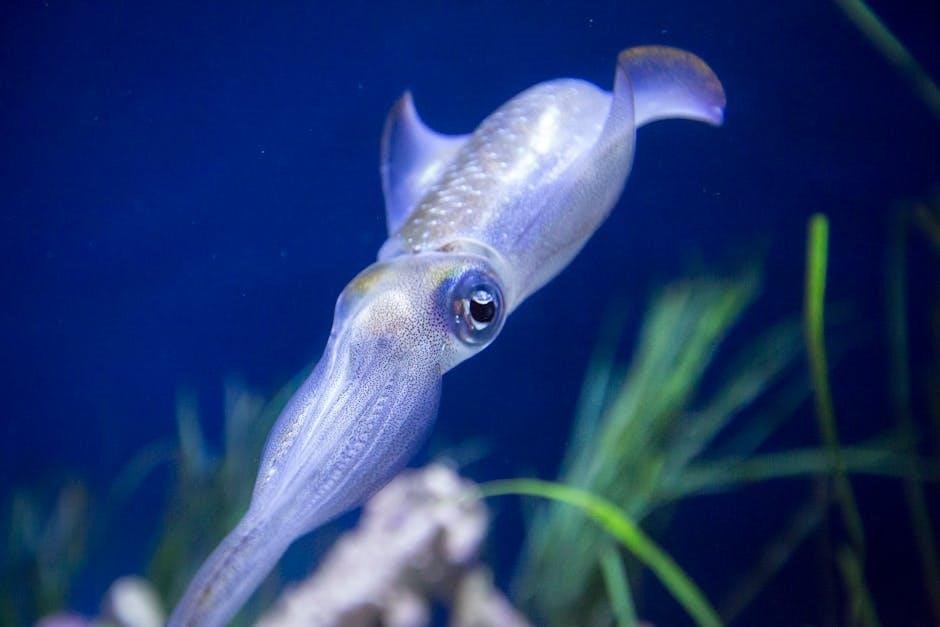
Furthermore, it aids in forensic conservation, tracking illegal wildlife trade through DNA analysis. Analyzing genetic structure helps define management units and assess the effectiveness of conservation interventions. Understanding genetic variation is paramount for adapting to environmental changes, like climate change, ensuring species resilience. Resources and detailed notes on these applications are available for further study.
Population Viability Analysis (PVA)
Population Viability Analysis (PVA) is a crucial quantitative tool in conservation biology, assessing the extinction risk of a species or population. It utilizes demographic and environmental data to forecast future population trends, considering factors like birth rates, death rates, and carrying capacity.
PVA models incorporate stochasticity – random variations in demographic rates and environmental conditions – providing a more realistic projection than deterministic models. This allows conservationists to evaluate the effectiveness of different management strategies, such as habitat restoration or captive breeding programs.
The analysis identifies key demographic parameters influencing population persistence, guiding conservation efforts. PVA helps determine minimum viable population sizes and assess the impact of threats like habitat loss and climate change. Detailed notes and resources on PVA methodologies are readily available, supporting informed conservation decision-making.
Landscape Ecology and Conservation Planning
Landscape Ecology expands conservation beyond individual species and habitats, focusing on the spatial arrangement of ecosystems and how it influences ecological processes. Conservation planning, informed by landscape ecology, recognizes that fragmented landscapes pose significant challenges to biodiversity.
Effective conservation requires understanding how species move across landscapes, the role of corridors in facilitating dispersal, and the impact of matrix quality on population connectivity. Landscape-scale assessments identify critical areas for protection and restoration, maximizing conservation impact.
Conservation planning utilizes principles of landscape ecology to design networks of protected areas, ensuring long-term species persistence. Detailed notes and resources emphasize the importance of considering spatial scales and ecological interactions. This holistic approach is vital for addressing complex conservation challenges and promoting sustainable land use.