
Farberware Pressure Cooker Manual: A Comprehensive Guide
Welcome! This guide details the Farberware pressure cooker (models FPC400 & WM-CS6004W), offering insights into its features, operation, and maintenance for optimal cooking results.
Explore pre-set programs, understand pressure settings, and learn troubleshooting tips to confidently utilize your appliance, ensuring safe and delicious meals every time.
Understanding Your Farberware Pressure Cooker
The Farberware 7-in-1 Programmable Pressure Cooker is designed for versatility, functioning as a pressure cooker, slow cooker, rice cooker, steamer, sauté pan, yogurt maker, and warmer. Most models, like the FPC400 and WM-CS6004W, primarily operate at high pressure, with exceptions for slow cooking, keeping warm, and searing functions.
Understanding that most programs utilize high pressure is key; the primary difference between them lies in the pre-set cooking times. The Rice program uniquely features an auto-adjust function, optimizing cooking based on the rice type and quantity. If low-pressure cooking is desired, experimentation with time adjustments is recommended, as the difference in cooking time compared to high pressure isn’t substantial.
It’s important to note the heating element differs between pressure cooking and slow cooking. Traditional slow cookers provide all-around heat, while the pressure cooker’s heat source is concentrated at the bottom, potentially leading to scorching if the recipe isn’t liquid-rich.
Model Identification and Features
Farberware offers several pressure cooker models, with the FPC400 and WM-CS6004W being popular choices. These are typically 6-quart, 7-in-1 programmable cookers, boasting a digital control panel and multiple pre-set functions. Identifying your specific model is crucial for accessing the correct manual and support resources.
Key features include pre-programmed settings (P01-P09) for various dishes, a delay start function, and automatic keep-warm capabilities. The cooker’s construction incorporates a stainless steel inner pot for durability and even heat distribution. The control panel allows for precise time and pressure adjustments, offering flexibility in cooking.
These models are designed for ease of use, with clear displays and intuitive controls. Accessing the full range of features requires familiarization with the control panel and understanding the nuances of each cooking program. Many users find creating a “cheat sheet” of cooking times helpful.
Safety Precautions
Prioritize safety when using your Farberware pressure cooker. Never force open the lid while pressure is present; always ensure complete pressure release – either naturally or via quick release – before attempting to open. Inspect the sealing ring and valve before each use, replacing them if damaged or worn.
Avoid overfilling the cooker; never exceed the maximum fill line, especially when cooking foods that expand during cooking (like beans or grains). Ensure the pressure release valve is unobstructed before each use. Do not immerse the cooker base in water or other liquids.
Keep the cooker away from flammable materials and heat sources. Always unplug the cooker when not in use and before cleaning. Be cautious of hot steam released during pressure release; keep hands and face away from the valve. Improper use can lead to burns or injury.
Components and Parts Overview
Familiarize yourself with your Farberware pressure cooker’s key components. The unit features a durable inner pot, designed for even heat distribution. A secure locking lid with a pressure indicator ensures safe operation. The sealing ring creates an airtight seal, crucial for pressure build-up.
Essential parts include the steam release valve, controlling pressure release, and the float valve, indicating internal pressure. The control panel houses the buttons for program selection and adjustments. The exterior housing provides insulation and houses the heating element.
Understand the function of each part for optimal performance and safety. Regularly inspect these components for wear and tear. Refer to the included diagrams in your manual (FPC400 & WM-CS6004W) for a visual guide to each part’s location and purpose. Proper understanding aids in effective use and maintenance.
Getting Started
Begin your pressure cooking journey! This section guides initial setup, control panel navigation, and understanding high versus low pressure settings for successful operation.
Initial Setup and First Use
Unboxing and Inspection: Carefully unpack your Farberware pressure cooker, ensuring all components are present. Verify the inner pot, sealing ring, steam release valve, and condensation collector are included and undamaged. Refer to the parts overview for identification.
Initial Cleaning: Before first use, wash the inner pot, lid, and accessories with warm, soapy water. Rinse thoroughly and dry completely. Wipe down the exterior of the cooker with a damp cloth. Do not immerse the main unit in water.
First Use – Pressure Test: Add 2 cups of water to the inner pot. Secure the lid, ensuring the sealing ring is properly installed. Set the cooker to a pre-set program (e.g., P01) for a short duration (3-5 minutes). This tests the pressure seal and functionality. Allow for natural pressure release after the cooking cycle completes.
Familiarization: Take time to familiarize yourself with the control panel and its functions. Experiment with the different settings to understand their operation before attempting complex recipes. A cheat sheet can be helpful!
Understanding the Control Panel
Key Buttons: The Farberware control panel features buttons for power, program selection (P01-P09), time adjustment (+/-), pressure level (if applicable), start/stop, and keep warm. Familiarize yourself with each button’s function.
Display Screen: The digital display shows the selected program, cooking time, pressure level, and status indicators (e.g., preheating, cooking, warming). Error codes will also appear here if issues arise.
Program Selection: Use the program buttons to choose pre-set cooking functions like rice, soup, or meat. Each program has a default cooking time, which can be adjusted using the time adjustment buttons.
Time Adjustment: Modify the cooking time in minutes to suit your recipe. Remember that lower pressure settings may require longer cooking times. Creating a personal cheat sheet is recommended.
Important Note: Most programs operate at high pressure, except for slow cook, keep warm, and sear/sauté functions. The rice program features an auto-adjust function for optimal results.
Pressure Settings: High vs. Low
Pressure Levels: Many Farberware models offer a single pressure setting, simplifying operation. If your model does have selectable pressure, understanding the difference is crucial for optimal cooking.
High Pressure: This setting cooks food faster, ideal for tougher cuts of meat or recipes where speed is essential. It achieves higher temperatures, reducing cooking times significantly.
Low Pressure: While less common on Farberware cookers, low pressure is suitable for delicate foods like vegetables or fish, preventing overcooking and maintaining texture. It requires longer cooking durations.
Adjusting Times: If utilizing a lower pressure setting, increase the cooking time slightly. Experimentation is key to determining the precise adjustment needed for your recipes. A cheat sheet can be helpful!
Considerations: Stovetop pressure cookers have varying pressure levels, but the impact isn’t dramatically different. The primary factor is accurately adjusting cooking times based on the chosen pressure.
Cooking Programs
Explore pre-programmed settings! From P01 to P09, these automated functions simplify cooking, with the Rice program offering an auto-adjust feature for perfect results.
Pre-set Programs: P01-P09 Explained
Farberware’s pre-set programs streamline your cooking experience, offering tailored settings for various dishes. While specific functions may vary slightly, generally, these programs (P01-P09) automate time and pressure for common meals. It’s important to note that, with the exception of Slow Cook, Keep Warm, and Sear, all programs operate at high pressure.
The primary difference between these programs lies in their default cooking times. For instance, the ‘Meat/Stew’ program will have a longer pre-set time than the ‘Soup’ program. This eliminates guesswork and ensures optimal results. The ‘Rice’ program is particularly noteworthy, as it incorporates an auto-adjust function, intelligently modifying cooking time based on the amount of rice used.
Understanding that these are starting points is crucial. You can always adjust the cooking time to suit your preferences or specific recipe requirements. Refer to the manual for detailed explanations of each program and recommended cooking times for different ingredients. Experimentation is encouraged to personalize your cooking experience!
Rice Cooking Program: Auto-Adjust Function
The Farberware rice cooking program stands out due to its intelligent auto-adjust function. Unlike other pre-set programs with fixed cooking times, this feature dynamically adapts the cooking duration based on the quantity of rice added to the cooker. This ensures perfectly cooked rice, whether you’re preparing a small side dish or a large meal for a crowd.
The cooker analyzes the initial conditions – primarily the weight of the rice – and automatically calculates the optimal pressure and cooking time. This eliminates the need for manual adjustments, reducing the risk of undercooked or overcooked rice. However, it’s still recommended to use the correct water-to-rice ratio as indicated in your recipe or the manual.
While the auto-adjust function is highly effective, factors like rice variety can influence the final result. Experimentation with different types of rice may be necessary to fine-tune your preferred texture. This program simplifies rice preparation, delivering consistent, fluffy results with minimal effort.
Slow Cook Function: Differences from Traditional Slow Cooking
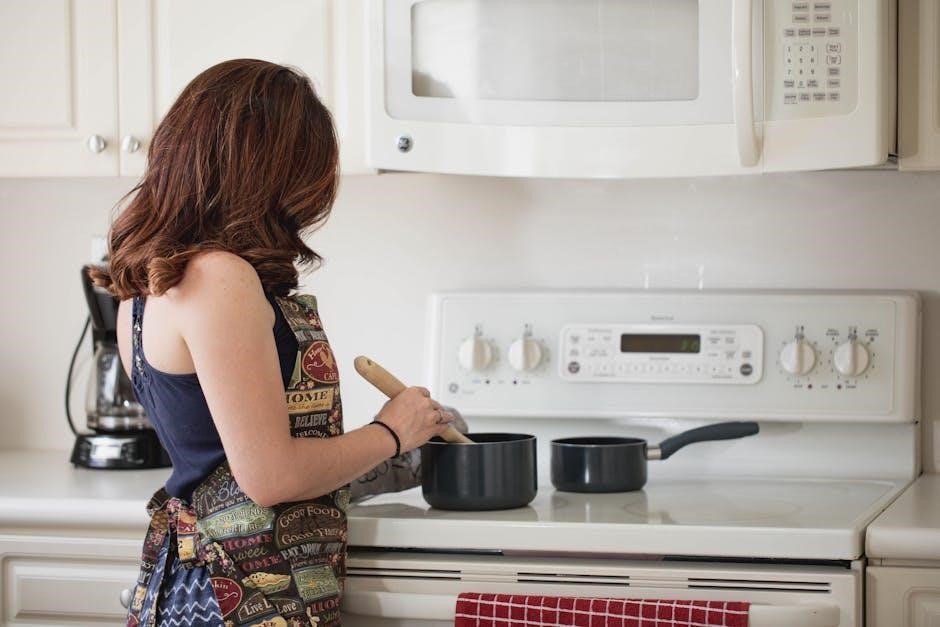
The Farberware’s slow cook function, while convenient, differs significantly from traditional slow cookers. Traditional units utilize heat distributed across all sides, mimicking an oven-like environment. Conversely, the Farberware pressure cooker generates heat solely from the bottom, concentrating it in a smaller area.
This concentrated heat can lead to scorching or burning, particularly in recipes lacking sufficient liquid. It’s crucial to ensure ample liquid content to prevent food from sticking and burning. Recipes designed for conventional slow cookers may require adjustments, such as increasing liquid quantities or using a liner.
Furthermore, the pressure cooker’s insulated inner pot retains heat efficiently, potentially cooking food faster than a traditional slow cooker on the same setting. Monitoring the cooking process and adjusting the time accordingly is recommended. While offering versatility, the slow cook function requires mindful adaptation of recipes for optimal results.
Sear/Sauté Function
The Sear/Sauté function on your Farberware pressure cooker allows for browning meats and vegetables directly within the inner pot, eliminating the need for a separate pan. This is incredibly convenient for building flavor profiles before pressure cooking or slow cooking. However, it’s important to note that this function operates at a relatively high temperature.
Ensure sufficient oil or liquid is present to prevent sticking and burning. Monitor the food closely, stirring frequently, as the bottom of the pot heats up quickly. The Sear/Sauté function is ideal for searing meats to lock in juices, caramelizing onions, or sautéing vegetables to develop depth of flavor.
Remember to deglaze the pot after searing, adding liquid to loosen any browned bits stuck to the bottom – these bits contribute significantly to the overall taste of your dish. Use caution when handling the hot pot and avoid overcrowding to ensure even browning.
Using the Pressure Cooker
Mastering your Farberware involves adding ingredients and liquids, selecting appropriate cooking times, and understanding pressure release methods for consistently delicious results.
Adding Ingredients and Liquids
Proper ingredient and liquid ratios are crucial for successful pressure cooking with your Farberware. Always ensure sufficient liquid is present to generate steam, which is essential for building pressure. A general guideline is to add at least 1 cup (237ml) of liquid, but specific recipes may require more.
For recipes with minimal natural liquid, such as stocks or sauces, you may need to add water or broth. Avoid overfilling the cooker; never exceed the maximum fill line indicated inside the pot – typically two-thirds full for most foods and one-half full for foods that expand during cooking, like beans and grains.
Layer ingredients strategically. Dense items, like root vegetables, should be placed at the bottom, closer to the heat source, to ensure even cooking. More delicate ingredients can be added on top. When using the sear/sauté function before pressure cooking, ensure all ingredients are browned before adding liquids and sealing the lid.
Remember, the heat source in a pressure cooker is primarily from the bottom, so liquid-heavy recipes are less prone to scorching than drier ones.
Pressure Cooking Times for Common Foods
Estimating cooking times requires understanding that pressure cooking significantly reduces traditional cooking durations. However, times vary based on food type, quantity, and desired tenderness. Use these as starting points, adjusting as needed based on experimentation.
For beef stew, pressure cook for 35-45 minutes on high pressure. Chicken breasts typically require 8-10 minutes. Dried beans, a notorious slow cooker item, can be ready in 25-30 minutes (after a natural pressure release). Rice, utilizing the dedicated program, cooks in approximately 12-15 minutes with the auto-adjust function.
Potatoes (cubed) take around 10-12 minutes, while hard-boiled eggs are perfectly cooked in just 5-7 minutes followed by a quick release. Remember, these are guidelines; smaller pieces cook faster. Always consult specific recipes for precise timings and adjust based on your preferences and the cooker’s performance.
Keep a personal “cheat sheet” to record your successful timings for frequently cooked dishes!
Natural Pressure Release vs. Quick Release
Understanding pressure release methods is crucial for optimal results and safety. Natural Pressure Release (NPR) allows the pressure to dissipate gradually over 10-30 minutes, ideal for soups, stews, and foods with high liquid content. This prevents splattering and ensures more tender results.
Quick Release (QR) involves manually releasing the pressure by carefully opening the steam release valve. This is suitable for foods that continue to cook from residual heat, like vegetables, or when you need to stop the cooking process quickly. Caution: QR can cause food to sputter, so keep your face and hands away from the valve.
The choice depends on the recipe. NPR is gentler, while QR is faster. Some recipes may even call for a combination – a partial NPR followed by a QR. Always refer to the recipe’s instructions. Improper release can affect texture and potentially cause burns.
Adjusting Cooking Time Based on Pressure
While your Farberware cooker primarily operates at a single pressure setting, understanding how pressure impacts cooking time is beneficial. Generally, lower pressure requires longer cooking durations. If adapting recipes designed for stovetop pressure cookers with varying pressure levels, slight adjustments may be necessary.
Experimentation is key! Begin with the recommended time and observe the results. If food is undercooked, increase the time in small increments (2-5 minutes). Conversely, if overcooked, reduce the time accordingly. Keep a personal “cheat sheet” to record successful adjustments for frequently cooked items.
Remember, the auto-adjust function in the Rice program compensates for pressure. For other programs, consider the food’s density and desired texture. Liquid content also plays a role; more liquid generally requires slightly longer cooking times.
Maintenance and Care
Preserve your cooker! Regular cleaning of the pot, sealing ring, and valve ensures longevity and optimal performance. Proper storage protects your investment.
Follow these simple steps for a consistently safe and enjoyable cooking experience with your Farberware pressure cooker.
Cleaning the Pressure Cooker
Maintaining cleanliness is crucial for the longevity and safe operation of your Farberware pressure cooker. After each use, allow the inner pot to cool completely before cleaning. The inner pot is typically dishwasher safe, offering convenience, but hand washing with warm, soapy water is also effective.
The exterior of the cooker can be wiped down with a damp cloth. Avoid abrasive cleaners, as they may damage the finish. Never immerse the main unit in water or any other liquid. Ensure the heating plate is free from food debris; a soft brush can assist with this.
Pay close attention to the lid. Disassemble removable parts for thorough cleaning. Inspect for any cracks or damage. Regularly cleaning prevents buildup and ensures proper sealing; Always ensure all parts are completely dry before reassembling and storing the pressure cooker.
Proper cleaning contributes to consistent performance and food safety.
Cleaning the Sealing Ring and Valve
The sealing ring requires frequent attention, as it absorbs odors and flavors from cooked foods. After each use, remove the sealing ring and wash it thoroughly with warm, soapy water. A mild detergent is recommended. Ensure it’s completely dry before reinstalling to prevent mold or mildew growth.
Periodically, you can soak the sealing ring in a solution of vinegar and water to eliminate stubborn odors. Inspect the ring for cracks or damage; replace it if necessary, as a compromised seal can affect pressure cooking performance.
The pressure valve should also be cleaned regularly. Remove it and check for any blockages. Wash with warm, soapy water, ensuring the vent is clear. A blocked valve can be dangerous, preventing proper pressure release. Rinse thoroughly and ensure it’s dry before reattaching.
Consistent cleaning of these components guarantees safe and efficient operation.
Storage Instructions
Before storing your Farberware pressure cooker, ensure it is completely cool and dry. Disconnect the power cord and store it separately to prevent damage. The inner pot can be stored inside the main unit to save space, but ensure no food residue remains.
The sealing ring should be stored separately, ideally in a sealed plastic bag, to prevent it from absorbing odors or becoming misshapen. Avoid storing it in direct sunlight or extreme temperatures. Regularly inspect the ring for wear and tear, replacing it as needed.
Store the pressure cooker in a clean, dry location, away from heat sources and flammable materials. Avoid stacking heavy items on top of the unit, as this could cause damage. Proper storage extends the lifespan of your appliance and ensures it’s ready for your next culinary adventure.
Keep the manual accessible for future reference.

Troubleshooting
Encountering issues? This section provides solutions for common problems, explains error codes (like those on the FPC400), and guides you to find the complete manual online.
Common Issues and Solutions
Food is burning: This often happens with the slow cook function due to concentrated bottom heat. Ensure sufficient liquid is present in your recipe to prevent scorching. Stir frequently if needed.
Pressure cooker won’t pressurize: Verify the sealing ring is correctly installed and clean. Ensure the pressure valve is in the sealing position. Check for obstructions in the valve. Also, confirm the lid is securely locked.
Lid won’t open: Always allow for natural pressure release before attempting to open the lid. If still stuck, carefully perform a quick release, following safety precautions. Never force the lid open.
Error codes appear: Refer to the manual for specific error code meanings. Common codes relate to sensor issues or lid sealing problems. Resetting the cooker may resolve some errors.
Difficulty finding the manual: Search online for “Farberware FPC400 Use & Care Instructions” or “Farberware WM-CS6004W User Manual”. Many users have successfully saved and shared images converted to PDF format.
Remember: Prioritize safety and consult the full manual for detailed guidance and troubleshooting steps specific to your model.
Error Codes and Their Meanings
E1: Indicates a lid issue – the lid may not be properly sealed or securely locked. Re-seat the lid, ensuring correct alignment and a firm lock. Check the sealing ring for damage or debris.
E2: Suggests a sensor malfunction, potentially related to temperature or pressure. Try resetting the cooker by unplugging it for several minutes, then plugging it back in.
E3: Often signals an overpressure situation. Allow for a complete natural pressure release before attempting to troubleshoot. Ensure the pressure valve isn’t blocked.
E4: Points to a dry-burn detection, meaning insufficient liquid was present during cooking. Always adhere to minimum liquid requirements specified in recipes.
E5/E6: These codes can indicate internal component failures. Contact Farberware customer support for assistance and potential repair options.
Important Note: These are general interpretations. Always consult your Farberware pressure cooker’s specific manual for the most accurate and detailed error code explanations and recommended solutions.
Finding the Manual (FPC400 & WM-CS6004W)
Locating your Farberware pressure cooker manual can be surprisingly easy, even if the original is misplaced. A readily available digital version exists online at HiPressureCooking.com, offering a comprehensive guide for both the FPC400 and WM-CS6004W models.
Many users have successfully found and utilized this resource when their physical copy went missing, allowing them to confidently operate their appliance. Alternatively, searching “Farberware FPC400 manual” or “Farberware WM-CS6004W manual” on a search engine will yield numerous results, including downloadable PDFs;
Furthermore, checking online retailers where you purchased the cooker may provide a link to the manual. Don’t hesitate to explore these options to ensure you have access to vital information regarding safe and effective operation.