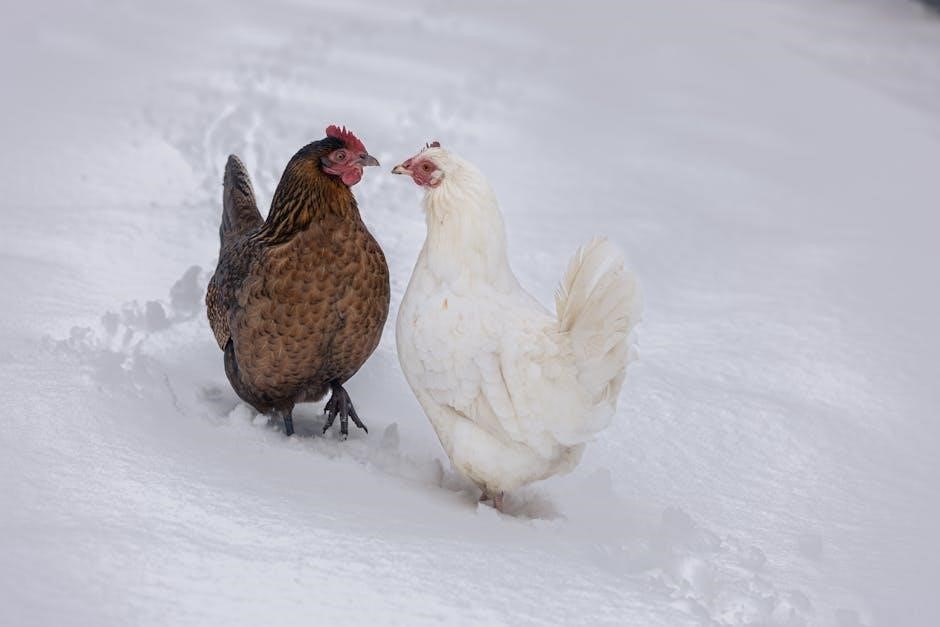
What are Chicken Tractors?
Chicken tractor plans (PDF) are readily available online, offering diverse designs for portable coops. Pinterest showcases numerous free and paid options,
facilitating easy access to building instructions and inspiration for DIY enthusiasts.
Definition and Purpose
Chicken tractors represent a revolutionary approach to poultry keeping, blending the security of a coop with the benefits of pasture rotation. Essentially, they are mobile chicken coops designed for frequent relocation, allowing chickens access to fresh foraging grounds while protecting them from predators.
The core purpose of a chicken tractor, as evidenced by readily available chicken tractor plans (PDF) found on platforms like Pinterest, is to provide a self-contained, movable home for chickens. These plans demonstrate designs focused on ease of movement and predator protection. This system improves egg quality, reduces coop cleaning, and enhances the chickens’ overall well-being by mimicking their natural foraging behaviors. The portability also allows for targeted fertilization of garden areas.
Benefits of Using a Chicken Tractor
Employing a chicken tractor, guided by accessible chicken tractor plans (PDF) available online, unlocks a wealth of advantages for both chickens and gardeners. The most significant benefit is improved egg quality, stemming from a varied diet obtained through foraging.
Furthermore, these mobile coops drastically reduce coop cleaning frequency, as chickens distribute their manure naturally across the pasture. Predator protection is enhanced with well-designed plans, offering peace of mind. Utilizing plans from sources like Pinterest, you can create a system that minimizes pest buildup and disease transmission. Finally, chicken tractors act as natural pest control and fertilizer distributors for gardens, promoting healthier plant growth.
Historical Development of Chicken Tractors
The concept of mobile chicken housing isn’t new, evolving from traditional, stationary coops. Early iterations focused on simple, movable pens, but the modern “chicken tractor” gained traction with the permaculture movement. The rise of readily available chicken tractor plans (PDF), particularly through online platforms like Pinterest, significantly accelerated their adoption.
Initially, designs were largely DIY, shared amongst homesteading communities. As interest grew, more formalized plans emerged, catering to various flock sizes and needs. The accessibility of these plans democratized chicken keeping, allowing more people to enjoy fresh eggs and natural pest control. Today, the evolution continues, with increasingly sophisticated designs incorporating features like solar power and automated watering systems.
Essential Design Considerations
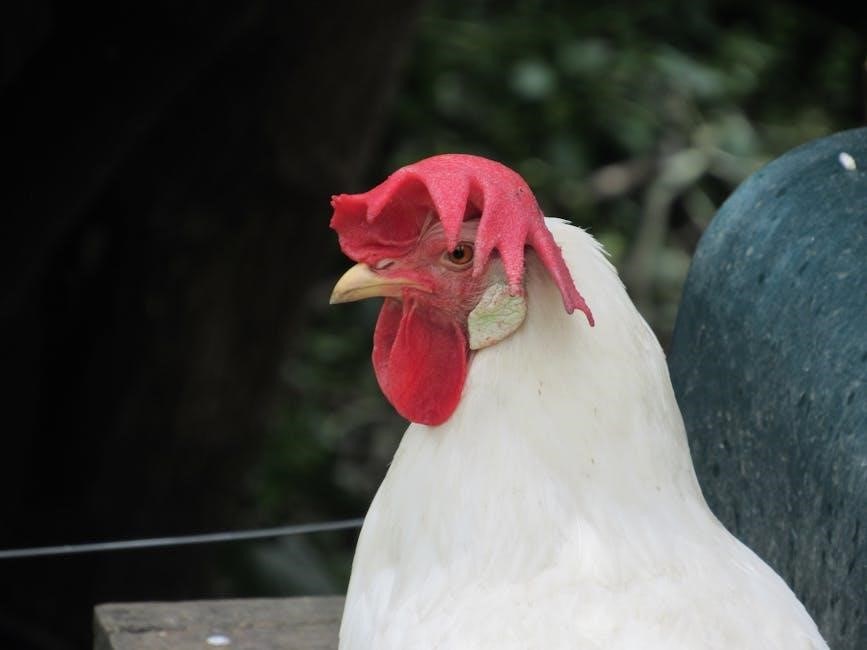
Chicken tractor plans (PDF) must prioritize mobility, predator protection, and ventilation. Careful planning ensures a safe, comfortable, and easily moved coop for happy hens.
Size and Capacity
Chicken tractor plans (PDF) often detail sizing based on flock size. A general rule is 4 square feet per chicken inside the coop, and 8-10 square feet per bird in the run area. However, larger breeds require more space.
Consider the number of chickens you intend to house when selecting a plan. Plans frequently offer variations for different flock sizes – from small, backyard operations with just a few hens, to larger setups accommodating a dozen or more.
Carefully review the plan’s dimensions and compare them to your available space and the mature size of your chickens. Overcrowding leads to stress, disease, and behavioral issues. Choosing the right size from the start is crucial for a thriving flock.
Mobility and Wheel Selection
Chicken tractor plans (PDF) emphasize mobility, a core feature of these structures. Plans detail wheel placement and size recommendations for easy towing. Larger diameter wheels (12-16 inches) navigate uneven terrain better, while smaller wheels are sufficient for smoother surfaces;
Consider the weight of the fully loaded tractor – chickens, bedding, food, and water – when choosing wheels. Pneumatic (air-filled) tires offer a smoother ride and better shock absorption, crucial for chicken comfort. Solid wheels are lower maintenance but less forgiving.
Many plans incorporate a handle or tow hitch for easy maneuvering. Ensure the design allows for balanced weight distribution to prevent tipping during transport. Proper wheel selection is vital for effortless relocation.
Predator Protection Features
Chicken tractor plans (PDF) consistently prioritize predator defense. Robust construction is key; plans detail using hardware cloth (1/2 inch mesh) instead of chicken wire, which is easily breached by predators like raccoons, foxes, and hawks.
Securely attaching the hardware cloth to the frame is crucial – staples alone aren’t enough. Plans often recommend using screws or hog rings for a stronger hold. Digging predators are addressed by burying the hardware cloth skirt around the perimeter, extending outwards.
Reinforced doors with secure latches are essential. Some plans include covered runs to protect against aerial attacks. A well-designed tractor, based on detailed PDF plans, offers peace of mind against potential threats.
Ventilation and Weatherproofing
Chicken tractor plans (PDF) emphasize balancing ventilation with weather protection. Adequate airflow is vital to prevent moisture buildup and ammonia accumulation, crucial for chicken health. Plans detail incorporating screened vents, often covered with hardware cloth to deter predators.
Roofing materials, as shown in various plans, range from metal sheeting to asphalt shingles, providing weather resistance. Overhangs help shield the sides from rain and sun. Proper sealing of seams and joints prevents drafts and water intrusion.
Consideration is given to seasonal adjustments; some plans suggest adjustable vents for winter or summer. A well-ventilated and weatherproofed tractor, guided by detailed PDF plans, ensures a comfortable environment for your flock.

Materials for Building a Chicken Tractor
Chicken tractor plans (PDF) commonly list wood, hardware cloth, and roofing materials. Pinterest resources detail options like pine, cedar, and metal, guiding material selection.
Wood Options (Pine, Cedar, Pressure-Treated)
Chicken tractor plans (PDF) frequently detail wood choices, impacting durability and cost. Pine is an economical option, readily available but less weather-resistant, requiring protective finishes. Cedar offers natural rot resistance and insect repellency, making it a popular, though pricier, choice.
Pressure-treated lumber provides excellent protection against decay and pests, crucial for ground contact areas. However, concerns exist regarding chemical leaching, so using it for nesting boxes or roosts is generally avoided. Pinterest resources highlight that selecting the right wood, based on your budget and climate, is vital for a long-lasting chicken tractor. Always check local building codes and consider the chickens’ well-being when making your selection.
Hardware Cloth vs. Chicken Wire
Chicken tractor plans (PDF) consistently emphasize the importance of secure enclosures, leading to the debate between hardware cloth and chicken wire. While cheaper, chicken wire offers minimal predator protection, easily breached by raccoons, foxes, and even determined dogs. Hardware cloth, a welded wire mesh with smaller openings, provides a significantly stronger barrier against various threats.
Pinterest resources demonstrate that investing in hardware cloth is crucial for safeguarding your flock. It’s more durable and prevents smaller predators from entering. Though more expensive upfront, the peace of mind and protection it offers are invaluable. Plans often specify gauge recommendations for optimal security, ensuring a robust and reliable chicken tractor.
Roofing Materials (Metal, Asphalt Shingles)
Chicken tractor plans (PDF) detail various roofing options, with metal and asphalt shingles being popular choices. Metal roofing, though pricier, offers exceptional durability and longevity, resisting weather damage and requiring minimal maintenance. Asphalt shingles are a more affordable alternative, providing adequate protection but with a shorter lifespan.
Pinterest showcases examples of both materials used effectively. Considerations include weight – ensuring the tractor’s frame can support the chosen roofing; Plans often suggest overlapping techniques for waterproofing, regardless of the material. Proper installation is key to preventing leaks and maintaining a dry, comfortable environment for your chickens. Ultimately, the best choice depends on budget and desired longevity.

Chicken Tractor Plans: Types and Styles
Chicken tractor plans (PDF) reveal A-frame, walk-in, and portable pen styles. Pinterest displays diverse designs, catering to varying flock sizes and builder skill levels.
Basic A-Frame Chicken Tractor
Basic A-frame chicken tractor plans (PDF) represent a popular, straightforward design, often favored by beginners due to their simplicity and cost-effectiveness. These plans typically feature a triangular frame constructed from wood, providing a secure and easily movable shelter for chickens.
Pinterest showcases numerous examples of these plans, demonstrating variations in size, wheel configurations, and added features like nesting boxes. The A-frame’s sloped roof effectively sheds rain and snow, while the open sides, usually covered with hardware cloth, allow for ample ventilation.
PDF plans generally include detailed material lists, cutting diagrams, and step-by-step instructions, making construction accessible even for those with limited carpentry experience. The portability of the A-frame allows for rotational grazing, improving pasture health and providing chickens with fresh foraging opportunities.
Walk-In Chicken Tractor Plans
Walk-in chicken tractor plans (PDF) cater to those desiring more convenient access for feeding, cleaning, and egg collection. These designs, often larger and more complex than basic A-frames, incorporate a door allowing humans to enter the enclosure without bending or crawling. Pinterest features several detailed plans, showcasing various sizes and configurations.
PDF plans typically include detailed framing instructions, door construction specifics, and considerations for reinforcing the structure to withstand regular human entry. Walk-in tractors often feature higher roofs for improved headroom and larger runs for increased chicken space.
These plans often emphasize predator protection, incorporating robust locking mechanisms and reinforced hardware cloth. While requiring more materials and construction effort, walk-in tractors offer enhanced usability and comfort for both chickens and their caretakers.
Portable Pen Style Tractors
Portable pen style chicken tractor plans (PDF) prioritize simplicity and ease of movement, often resembling a large, enclosed pen with wheels. These designs typically feature a basic frame covered in hardware cloth, creating a lightweight and easily maneuverable structure. Pinterest provides examples of these plans, emphasizing quick construction and affordability.
PDF plans for pen-style tractors often focus on utilizing readily available materials and minimizing complex joinery. The emphasis is on creating a secure, mobile enclosure that can be easily relocated to fresh pasture.
While offering less interior space than walk-in models, portable pen tractors are ideal for smaller flocks or temporary housing. They are a practical solution for rotational grazing and maximizing pasture utilization, offering a cost-effective and convenient option.

Finding Chicken Tractor Plans (PDF)

Chicken tractor plans (PDF) are abundant online; Pinterest is a key resource, offering both free and purchasable plans for various designs and skill levels.
Free Online Resources
Numerous websites offer free chicken tractor plans in PDF format, catering to diverse building capabilities and flock sizes. Pinterest, specifically, serves as a vast repository, linking to various blogs and DIY websites hosting these plans. Searching “chicken coop and run plans free” or “chicken tractors DIY” on Pinterest yields a wealth of visual inspiration and downloadable resources.
These free plans often include detailed diagrams, material lists, and step-by-step instructions, making them accessible for beginners. However, it’s crucial to carefully review the plans for clarity and completeness before commencing construction. Some plans may lack detailed instructions or require modifications based on available materials and individual preferences. Always prioritize safety and ensure the design adequately protects your chickens from predators and harsh weather conditions. Remember to check the source’s credibility and user reviews when utilizing free online resources.
Paid Plan Providers
While free resources abound, several providers offer premium chicken tractor plans in PDF format for a fee. These paid plans generally boast higher levels of detail, professional drafting, and comprehensive support. They often include advanced features, such as automated door systems or integrated composting elements, not commonly found in free designs.
Investing in paid plans can save time and reduce potential errors during construction. Providers frequently offer customer support to address questions and provide guidance throughout the building process. These plans may also be tailored to specific climates or breed requirements. Though requiring an initial investment, paid plans often deliver a more refined and durable final product, ensuring a secure and comfortable environment for your flock; Consider the complexity of the design and your building experience when deciding if a paid plan is the right choice.
Custom Plan Design Services
For those with unique needs or specific site constraints, custom chicken tractor plan design services offer a tailored solution. These services move beyond pre-made PDF plans, collaborating directly with you to create a design perfectly suited to your flock size, available space, and aesthetic preferences.
A designer will consider factors like local predator pressures, climate conditions, and desired features – such as nesting box configurations or ventilation systems. This personalized approach ensures optimal functionality and integration with your existing landscape. While generally more expensive than purchasing pre-designed plans, custom services deliver a truly bespoke result. Expect detailed drawings, material lists, and potentially even 3D renderings to visualize the final product. This option is ideal for complex builds or when standard plans simply won’t suffice.

Building Your Chicken Tractor: Step-by-Step
Utilizing chicken tractor plans (PDF), construction begins with a solid foundation and frame, followed by secure walls and a weatherproof roof for a safe coop.

Foundation and Frame Construction
Beginning with chicken tractor plans (PDF) as your guide, the foundation is crucial for stability and predator resistance. Typically, a simple wooden frame constructed from pressure-treated lumber is recommended. Ensure accurate measurements based on your chosen plan, carefully cutting and assembling the base.
Reinforce corners with metal brackets for added strength. The frame’s size dictates the tractor’s capacity, so adhere closely to the plan’s dimensions; Consider adding skids to the bottom for easier movement across the yard.
Prioritize a level foundation to prevent wobbling and ensure the structure remains secure. Regularly check for squareness during construction, using a speed square or framing square. A well-built foundation and frame are the backbone of a durable and mobile chicken tractor.
Adding Walls and Roofing
Following chicken tractor plans (PDF), wall construction typically involves attaching hardware cloth to a wooden frame. This provides secure enclosure while allowing ventilation. Ensure the hardware cloth extends below the frame to deter digging predators. Overlap seams and securely fasten with staples or screws.
Roofing options, as detailed in plans, range from metal sheeting to asphalt shingles. A sloped roof is ideal for water runoff. Securely attach roofing materials to the frame, ensuring a watertight seal. Consider adding an overhang to protect walls from rain.
Properly sealed walls and a robust roof are vital for protecting chickens from the elements and predators, contributing to a safe and comfortable environment.
Installing Doors, Windows, and Nesting Boxes
Chicken tractor plans (PDF) often detail door and window placement for access and ventilation. Doors should be secure, predator-proof, and easy to operate. Windows, covered with hardware cloth, provide light and airflow. Ensure smooth operation and secure latches.
Nesting boxes are crucial for egg-laying. Plans specify dimensions and quantity based on flock size. Position boxes in a dark, quiet area, elevated off the ground. Use soft bedding like straw or wood shavings for comfort.
Properly installed features enhance functionality and chicken well-being. Careful adherence to plan specifications ensures a practical and comfortable coop.
Maintaining Your Chicken Tractor
Chicken tractor plans (PDF) don’t cover upkeep, but regular cleaning, damage repair, and seasonal adjustments are vital for a healthy, functional coop.
Cleaning and Disinfecting
While chicken tractor plans (PDF) detail construction, they often overlook crucial maintenance like cleaning. Regularly removing soiled bedding – wood shavings, straw, or hemp – is paramount for hygiene. This prevents ammonia buildup, which harms respiratory health. A thorough cleaning should occur after each move, or at least weekly, depending on flock size.
Disinfecting is equally important. After removing all waste, scrub surfaces with a poultry-safe disinfectant. Options include diluted bleach solutions (rinse thoroughly!), or commercial poultry disinfectants. Pay close attention to nesting boxes and roosting areas. Allow the tractor to fully dry before re-bedding and returning the chickens. Consistent cleaning and disinfecting minimize disease risks and maintain a healthy environment for your flock, extending the life of your tractor.
Repairing Damage
Even with robust chicken tractor plans (PDF), wear and tear is inevitable. Regularly inspect the structure for damage – loose screws, broken hardware cloth, or compromised wood. Prompt repairs prevent minor issues from escalating. Replace damaged hardware cloth immediately to deter predators; chicken wire is insufficient protection.
For wood repairs, consider using exterior-grade wood filler for small cracks or holes. Larger damage may require replacing sections of wood, ensuring it’s a poultry-safe material. Check the wheels and axles frequently, tightening bolts and lubricating moving parts. A well-maintained tractor, built from solid plans, will provide years of service, but consistent attention to repairs is key to longevity and flock safety.
Seasonal Adjustments
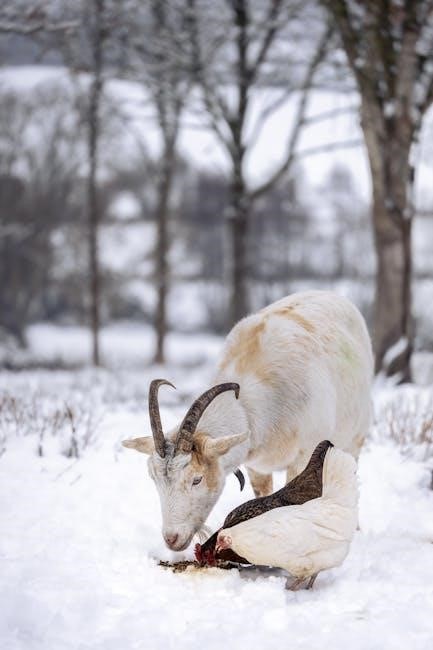
Utilizing chicken tractor plans (PDF) allows for adaptable housing, but seasonal changes demand adjustments. In winter, reinforce weatherproofing – add extra tarping or insulation to combat cold winds and snow. Ensure adequate ventilation remains to prevent moisture buildup. Summer requires maximizing airflow; consider adding shade cloth or relocating the tractor to cooler areas.
Monitor ground conditions; muddy areas necessitate moving the tractor more frequently to maintain a dry, healthy environment. Adjust the frequency of moves based on pasture growth and waste accumulation. Regularly inspect for signs of overheating or frostbite, adapting the tractor’s position and protection accordingly. Proactive seasonal adjustments, informed by your plans, ensure year-round comfort for your flock.