
Manual to Automatic Transmission Conversion: A Comprehensive Guide
Navigating the complexities of drivetrain swaps requires careful planning and execution․ Modern vehicles offer advanced features, yet enthusiasts often seek the simplicity or feel of a different transmission type․
This guide details converting from a manual to an automatic transmission, considering compatibility, costs, and the intricate steps involved in a successful conversion project․
From the Audi R8’s lost manual option to Ford Focus dual-clutch concerns, drivers explore alternatives, and this conversion addresses those desires for a tailored driving experience․
Understanding the Appeal of Automatic Transmissions
The allure of automatic transmissions stems from a blend of convenience and evolving technology․ For many drivers, particularly in congested urban environments, the ease of operation offered by an automatic gearbox significantly reduces driving fatigue․ Eliminating the need for constant clutch engagement and gear selection allows for greater focus on surrounding traffic and road conditions․
Modern automatics have moved far beyond simple two or three-speed units․ Contemporary designs, often featuring eight or even ten speeds, deliver improved fuel efficiency and smoother acceleration compared to older systems․ The rise of dual-clutch transmissions (DCTs), as seen in the Ford Focus, showcases the performance potential of automated gear changes, offering rapid shifts and a more engaging driving experience․
Furthermore, the integration of self-driving features and advanced driver-assistance systems (ADAS) often necessitates an automatic transmission․ These systems rely on precise control of the drivetrain, which is more easily achieved with an electronically controlled automatic․ As vehicles become increasingly autonomous, the demand for automatic transmissions is likely to continue growing, offering a seamless integration of technology and convenience․
Assessing Vehicle Compatibility for Conversion
Before embarking on a manual-to-automatic transmission conversion, a thorough compatibility assessment is crucial․ Not all vehicles are suitable candidates, and factors like engine output, drivetrain layout, and existing vehicle architecture play significant roles․ The mounting points for the transmission, driveshaft compatibility, and the availability of necessary components must be carefully considered․
Vehicles originally equipped with an automatic transmission often present fewer challenges, as many of the required mounting points and wiring harnesses may already be in place․ However, even in these cases, modifications to the pedal assembly, shifter mechanism, and cooling system are typically necessary․
Conversely, converting a vehicle designed solely for a manual transmission can be considerably more complex, potentially requiring custom fabrication of mounting brackets, modification of the firewall, and extensive rewiring․ The Tremec transaxle example with the C8 Corvette highlights the possibility, but also the potential for significant custom work․ A detailed evaluation of the vehicle’s specifications and available aftermarket support is essential before proceeding․
Cost Analysis: Manual vs․ Automatic Transmission
A comprehensive cost analysis is paramount when considering a manual-to-automatic transmission conversion․ The initial cost of the automatic transmission itself can vary widely, depending on the type (e․g․, traditional, dual-clutch) and condition (new, used, rebuilt)․ Beyond the transmission, significant expenses arise from supporting components․
These include a torque converter, ECU modifications, wiring harness adaptations, and potentially a new driveshaft or axle adjustments․ Labor costs, if outsourcing the work, can substantially increase the overall expense․ Comparing these costs to the potential long-term maintenance expenses of a manual transmission is vital․
While manual transmissions are often perceived as cheaper to repair, modern vehicles with complex systems may negate this advantage․ The availability of affordable kits and the potential for DIY installation can offset some costs, but careful budgeting is essential․ Considering the cost of self-driving features versus a transmission swap provides context․

Identifying Necessary Components for the Conversion
Successfully converting from a manual to an automatic transmission demands a meticulous inventory of required components․ Beyond the automatic transmission itself, a compatible torque converter is crucial for transferring power efficiently․ The existing driveshaft will likely require modification or replacement to accommodate the automatic’s differing length and connection points․
Significant electronic modifications are inevitable, necessitating an Electronic Control Unit (ECU) capable of managing the automatic transmission and a corresponding wiring harness․ Pedal assembly changes are also essential, removing the clutch pedal and potentially adapting the brake pedal․
A new shifter assembly, designed for automatic operation, is obviously required․ Don’t overlook the cooling system; automatic transmissions generate substantial heat and need a dedicated cooler and lines․ Finally, assess the need for axle adjustments to ensure proper drivetrain alignment, mirroring the precision found in modern vehicle components․
Transmission Selection: Choosing the Right Automatic
Selecting the correct automatic transmission is paramount for a successful conversion․ Compatibility with your vehicle’s engine and power output is the primary consideration․ A transmission rated for significantly less power than your engine produces will suffer premature failure․ Conversely, an overly robust transmission might be unnecessarily heavy and complex․
Consider the type of automatic transmission: conventional hydraulic, electronically controlled, or dual-clutch․ Electronically controlled units offer greater tuning potential and smoother shifts, but require more extensive wiring and ECU integration․
Research transmissions from similar vehicles – those sharing an engine family or chassis – can simplify the process․ Tremec’s transaxles, for example, offer compatibility with C8 Corvette mounting points․ Prioritize a transmission with readily available parts and support, ensuring long-term maintainability and reliability․
Torque Converter Considerations
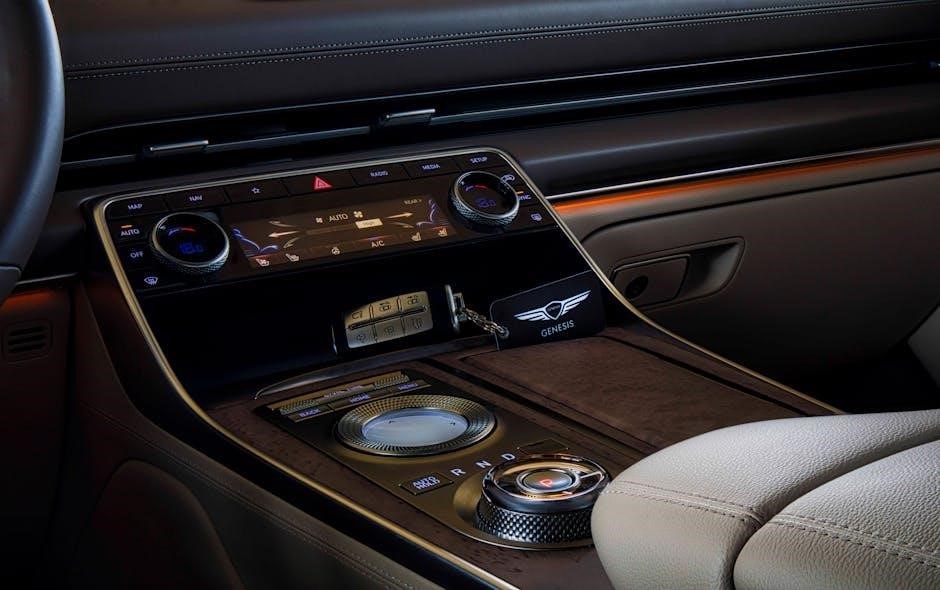
The torque converter is a critical component linking the engine to the automatic transmission․ Its primary function is to transmit engine power while allowing for slippage, crucial for smooth launches and low-speed maneuvering․ Selecting the correct torque converter stall speed is vital for optimal performance․
A lower stall speed generally improves fuel economy and drivability in everyday conditions, while a higher stall speed enhances acceleration, particularly at higher speeds․ Consider your vehicle’s intended use – a daily driver versus a performance-oriented build – when making this decision․
Ensure the torque converter is compatible with both the transmission and the engine’s crankshaft․ Bolt patterns and spline counts must match precisely․ Quality is paramount; invest in a reputable brand to avoid premature failure and ensure reliable power transfer․ Proper torque converter selection significantly impacts the overall driving experience․
The Conversion Process: Step-by-Step Overview
Initiating the conversion demands meticulous preparation and a systematic approach․ First, safely disconnect the battery and drain all fluids from both the engine and the existing manual transmission․ Removing the manual transmission involves detaching the driveshaft, shifter linkage, and all associated wiring․ Support the engine properly before proceeding․
Next, prepare for the automatic transmission installation․ This includes installing the torque converter onto the transmission, then carefully lifting and positioning the automatic transmission into place․ Align the mounting points and secure it with the appropriate bolts․ Reconnect the driveshaft, ensuring proper length and alignment․
Subsequent steps involve wiring harness modifications and ECU reprogramming, followed by cooling line installation for the automatic transmission․ Thoroughly check all connections and fluid levels before the initial test run․ Patience and precision are key throughout this complex process․
Removing the Manual Transmission
The initial phase centers on the careful and complete removal of the existing manual transmission․ Begin by disconnecting the battery to prevent electrical hazards․ Drain both the engine oil and the gear oil from the manual transmission itself, ensuring proper disposal of fluids․ Disconnect the driveshaft, carefully marking its orientation for reinstallation if necessary․

Next, detach the shifter linkage and any associated cables or rods․ Disconnect all wiring connected to the transmission, labeling each wire for easy re-connection later․ Support the engine from above using an engine support bar or jack to prevent strain once the transmission is removed․
Finally, unbolt the transmission from the engine and carefully lower it using a transmission jack․ This process requires patience and attention to detail, as you’re dealing with a heavy and potentially awkward component․ Ensure all components are safely stored for potential reuse or inspection․
Installing the Automatic Transmission
With the manual transmission removed, preparation for the automatic’s installation begins․ Carefully inspect the flexplate, ensuring it’s clean and properly aligned before mounting it to the engine’s crankshaft․ This is crucial for smooth operation and preventing vibrations․
Using a transmission jack, carefully lift the automatic transmission into position, aligning it with the engine’s mounting points․ Begin threading the bolts by hand to avoid cross-threading, then fully tighten them to the manufacturer’s specified torque․
Reconnect the driveshaft, ensuring it’s properly balanced and secured․ Reattach all wiring harnesses, referencing the labels created during the manual transmission removal․ Double-check all connections to prevent electrical issues․ Finally, verify proper alignment and secure mounting before proceeding to the next stage of the conversion․
Electronic Control Unit (ECU) and Wiring Harness Modifications
Converting to an automatic transmission necessitates significant ECU and wiring harness adjustments․ The ECU must be reprogrammed to recognize and control the automatic transmission, managing shift points, torque converter lockup, and other vital functions․ This often requires specialized software and expertise․
Existing wiring harnesses will need modifications to accommodate the automatic’s sensors and solenoids․ This includes adding wiring for the transmission control module (TCM), speed sensors, and potentially a neutral safety switch․ Careful attention to wiring diagrams is essential to avoid shorts or malfunctions․
Some vehicles may require a standalone TCM, while others can integrate the automatic control into the existing ECU․ Thorough research and compatibility checks are vital before beginning any wiring modifications, ensuring a seamless integration and optimal performance․
Driveshaft and Axle Adjustments
Following automatic transmission installation, driveshaft and axle adjustments are crucial for proper function․ The automatic transmission’s length differs from a manual, potentially altering the driveshaft’s required length․ A custom driveshaft may be necessary to maintain correct angles and prevent vibrations․

Axle adjustments may also be needed, depending on the vehicle and transmission combination․ Ensuring proper alignment and engagement is vital to avoid premature wear or damage to the axles and differential․ Inspecting and potentially replacing U-joints is recommended․
Correct driveshaft angles are paramount for minimizing vibration and maximizing drivetrain efficiency․ Professional measurement and adjustment are often advisable, utilizing specialized tools to guarantee optimal performance and longevity of the drivetrain components․ Ignoring these adjustments can lead to significant issues․
Pedal Assembly and Shifter Installation
Converting to an automatic transmission necessitates modifications to the pedal assembly․ The clutch pedal is, of course, removed, requiring blanking plates or custom covers for a clean aesthetic․ Brake pedal positioning may also need adjustment to accommodate the change in driving dynamics․
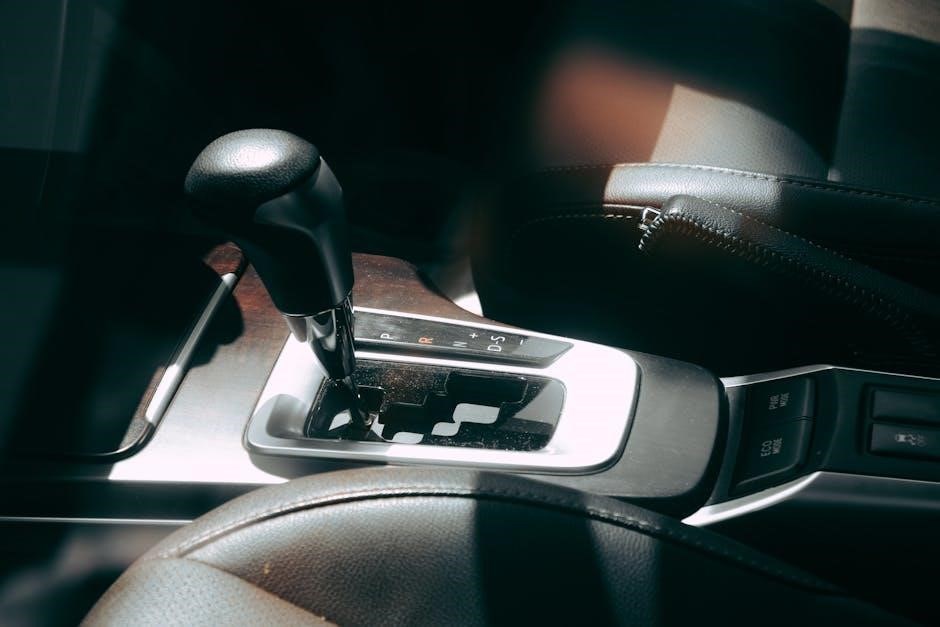
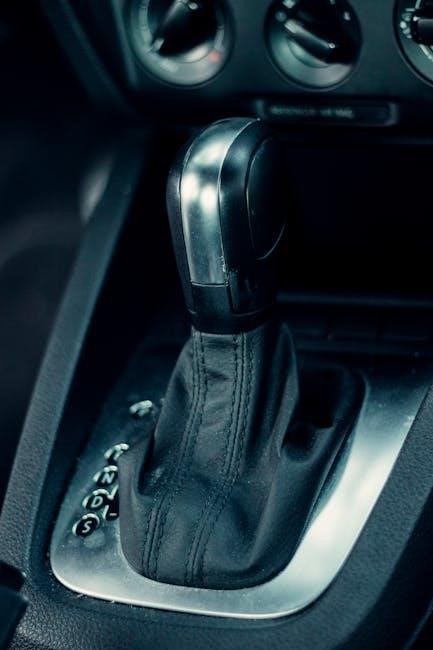
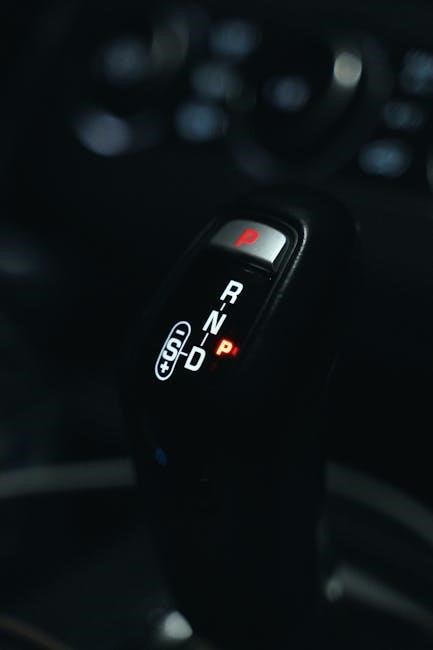
Shifter installation is a straightforward process, but requires careful attention to cable or linkage routing; Ensure the shifter mechanism operates smoothly and selects all gears correctly․ Console modifications might be needed to accommodate the automatic shifter․
Proper alignment and secure mounting of the shifter are essential for a positive driving experience․ Consider the ergonomics and feel of the shifter; aftermarket options offer customization․ Thorough testing after installation confirms correct operation and a comfortable shift feel․
Cooling System Integration for Automatic Transmission
Automatic transmissions generate significant heat, demanding a dedicated cooling system․ Unlike manual transmissions, automatics rely on fluid to transfer power and dissipate heat, making temperature regulation crucial for longevity and performance;
Integrating an automatic transmission cooler is paramount․ Options include auxiliary coolers mounted in front of the radiator, or those integrated within the radiator itself․ Proper sizing is vital, considering vehicle usage and climate․
Dedicated lines must be run from the transmission to the cooler, ensuring they are securely fastened and protected from damage․ Fluid flow should be optimized for efficient heat exchange․ Monitoring transmission fluid temperature post-conversion is highly recommended, utilizing gauges or scanning tools․
Brake System Adjustments and Considerations
Converting from a manual to an automatic transmission often necessitates brake system evaluation․ The removal of the clutch pedal can alter weight distribution, potentially impacting braking performance and balance․
Ensure the master cylinder and brake booster are functioning optimally․ Inspect brake lines and hoses for wear or damage, replacing them as needed․ Consider upgrading brake pads and rotors for enhanced stopping power, especially if the vehicle’s weight has changed significantly․
Proper brake bleeding is crucial after any hydraulic system modification․ Verify the parking brake functions correctly, as its engagement may feel different with an automatic transmission․ A thorough inspection and adjustment of the entire brake system are vital for safety and optimal performance post-conversion․
Testing and Calibration Post-Conversion
Following the automatic transmission conversion, rigorous testing is paramount․ Begin with a static check, verifying fluid levels in the transmission and ensuring no leaks are present․ Then, proceed to low-speed test drives in a controlled environment․
Monitor transmission shifting behavior closely, paying attention to smoothness and responsiveness․ Utilize diagnostic tools to scan for any error codes related to the transmission or ECU․ Calibration of the ECU may be required to optimize shift points and overall performance․
Gradually increase speed and driving conditions, assessing braking performance and handling․ Address any unusual noises or vibrations immediately․ A comprehensive road test confirms the conversion’s success and ensures safe, reliable operation․
Potential Issues and Troubleshooting
Automatic transmission conversions can present unforeseen challenges․ Common issues include incorrect ECU calibration leading to harsh shifting or failure to engage gears․ Fluid leaks, often stemming from improperly sealed connections, require immediate attention․
Diagnostic trouble codes (DTCs) are invaluable for pinpointing problems․ Invest in a quality scan tool to interpret these codes accurately․ Electrical gremlins, such as wiring harness incompatibilities, can disrupt transmission function․
If experiencing slippage, check fluid levels and condition․ Unusual noises may indicate internal transmission damage․ Remember, modern vehicles boast complex systems; professional assistance is often necessary for effective troubleshooting and repair․
Legal and Insurance Implications of Transmission Swaps
Modifying a vehicle with a transmission swap carries legal and insurance ramifications; Regulations vary significantly by location; some jurisdictions require inspections to ensure compliance with safety and emissions standards․
Failing to disclose modifications to your insurance provider can invalidate your coverage․ Insurance companies assess risk, and a significant alteration like a transmission swap impacts that assessment․ Expect potential premium increases․
Documentation is crucial․ Keep detailed records of all parts purchased, labor costs, and the conversion process itself․ This demonstrates due diligence and can be vital in case of an accident or legal dispute․ Always verify local laws before commencing any modifications․
Long-Term Maintenance of Converted Automatic Transmission

A converted automatic transmission demands diligent, proactive maintenance․ Unlike factory installations, a swap may introduce unique stress points requiring increased attention to fluid levels and condition․ Regular fluid changes are paramount, potentially more frequent than the manufacturer’s original schedule․
Monitor for leaks and unusual noises․ These can indicate issues with seals, the torque converter, or internal components․ Pay close attention to shifting quality; any harshness or slippage warrants immediate investigation․
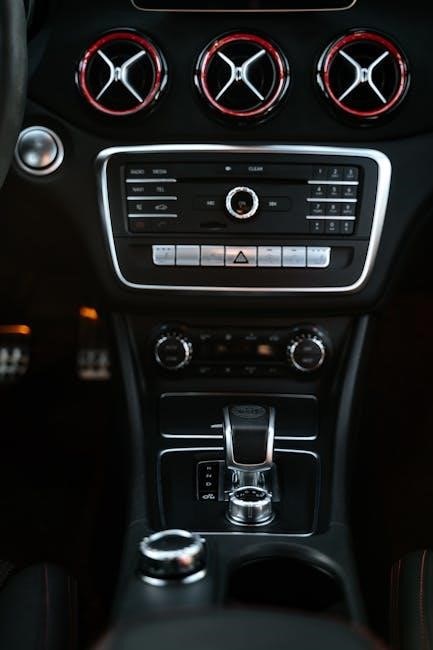
Consider a transmission cooler upgrade, especially for vehicles subjected to demanding driving conditions․ Routine inspections by a qualified mechanic familiar with transmission swaps are highly recommended to ensure longevity and reliability․
Resources and Kits Available for Conversion Projects
Numerous resources cater to the DIY enthusiast undertaking a manual-to-automatic conversion․ Online forums dedicated to specific vehicle makes and models often host detailed build threads and valuable advice from experienced converters․ These communities provide a platform for troubleshooting and sharing knowledge․
Several companies specialize in transmission swap kits, offering pre-selected components designed for compatibility․ These kits typically include the transmission, torque converter, flexplate, and necessary adapters․ Tremec, for example, provides solutions for modern platforms like the C8 Corvette․
Parts suppliers offer individual components, allowing for a customized approach․ Expect to find resources for wiring harnesses, ECU modifications, and cooling system integration․ Careful research and planning are crucial to ensure a successful and reliable conversion․